Assistant avatar
Need help?
I'm available 24/7 to help with your hearing and tinnitus needs.

Comorbidity

Stave Off Dementia? Groundbreaking News About Hearing Aids
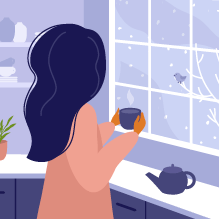
Study: This Step Could Cut Cognitive Decline Risk in Half

Figuring out a crossword puzzle. Remembering to pick up the grandkids. Learning a new language. Excelling at a high-stakes workplace project. The ability to think, remember, and process information plays a huge role in your life, but hearing loss could get in the way. In fact, untreated hearing issues can go hand in hand with brain decline and significantly elevate the risk of dementia.

The good news? An exciting study published in summer of 2023 in prominent health journal The Lancet found that the use of hearing aids and audiologic counseling could cut the risk of cognitive decline by nearly 50%. Research has long highlighted connections between hearing and brain functioning. Discover what this latest development from the ACHIEVE study is all about and what it could mean for your hearing and brain health.


Answering a Critical Question

The ACHIEVE study, an extensive investigation conducted over three years, sought to learn “whether treating hearing loss could reduce cognitive decline or the risk of dementia.” Growing evidence already pointed to hearing loss being a potentially modifiable risk factor for dementia, and past research already linked hearing aid use to an 18% lower risk of a dementia diagnosis among older adults. The present investigation, however, marked the first randomized controlled trial on the potential effect of hearing loss treatment on cognitive decline and dementia.

With 977 participating men and women ages 70 to 84 with untreated hearing loss and normal cognition or mental processes, the study divided the respondents between a control group that learned about topics including healthy aging and an intervention group that received hearing technology as well as audiologic counseling. Both groups were monitored over a three-year period, with follow-up assessments every six months — culminating in a comprehensive neurocognitive test. Researchers reviewed outcomes related to cognitive decline, brain structure, mental health and well-being, physical functioning, and health-care use.

Among other findings, the study concluded that the combined intervention of hearing aids and audiologic counseling delayed the deterioration of thinking and memory by 48% in those at greater risk of cognitive decline. Healthy participants already at decreased risk for cognitive decline did not see an effect from the hearing intervention. According to the study, however, that could simply mean they needed more than the allotted observation period.

To fully appreciate why this research is so exciting, it’s important to understand a fundamental concept underlying the investigation: cognitive decline.


Understanding Cognitive Decline

Though sometimes mentioned interchangeably with “dementia,” cognitive decline is separately defined. In basic terms, it’s a diminished ability to think, focus, reason, remember, problem-solve, or handle other tasks involving brain functioning. Cognitive decline goes beyond typical changes that can occur with aging. For example, it’s more than just taking a little longer to absorb or react to a story or instructions. Instead, it’s a more involved state that can range from mild cognitive impairment to a more serious disorder that can interfere with everyday living.

Dementia is a subset of cognitive decline — diagnosed when cognition reaches a certain level of dysfunction. It affects over 55 million people, is a leading cause of death, and is responsible for at least $1.3 trillion in economic costs on a global scale, reports the World Health Organization (WHO). Often confused with Alzheimer’s disease, “dementia” is actually an umbrella term for severe decline that includes conditions such as Alzheimer’s. Per WHO, Alzheimer’s is the most prevalent type of dementia, responsible for as many as 70% of cases.

Catching cognitive problems early — especially if there’s a reversible or treatable underlying cause or modifiable risk factor — may head off or delay potential issues such as dementia.


Connecting Hearing Loss and Dementia Risk

Hearing can naturally decline with aging. This can lead to potential communication challenges, as many people with hearing difficulties often delay having the issue diagnosed and treated. Even among those who do seek treatment, their hearing technology can end up at home, unused. Left unaddressed, hearing loss can go hand in hand with social, mental, and physical health challenges, including cognitive decline and dementia.

Various theories abound on exactly why hearing loss and cognitive decline are linked or how hearing aids may help stave off dementia, but the science isn’t yet conclusive. The ACHIEVE team pointed to three ways hearing loss might lead to dementia:


Brain shrinkage

Hearing loss may affect the brain’s integrity, resulting in accelerated brain atrophy that can deleteriously affect functioning. This concept has been explored before. Renowned otolaryngology expert and ACHIEVE co-principal investigator Frank Lin, M.D., Ph.D., helped lead a 2014-published study tying hearing loss to faster-than-normal brain shrinkage among older adults.


Brain drain

Wear and tear on the cochlea may cause the inner ear to send signals to the brain that aren’t clear. Consequently, the brain has to put more effort into understanding sounds correctly, reallocating resources from other tasks. Overall this may reduce brainpower, reinforcing what many may not realize: Both the ears and brain work together to facilitate hearing.


Social isolation

Those with hearing loss can be less likely to engage in social gatherings and activities that stimulate cognition. This lack of social interaction is associated with a higher risk of dementia. A 5,022-participant study published in January 2023, for example, found a 27% higher chance of dementia in older adults experiencing social isolation. Regular interaction may be a key component to quality of life.


Prioritizing Your Hearing Health

The ACHIEVE team’s work makes one thing clear: Addressing your hearing health is crucial. When was the last time you had your hearing checked? If you have hearing aids, do you wear them often? If you aren’t sure about your hearing, it’s more important than ever to have it tested by a hearing care professional. Even minor cases of hearing loss can benefit from using hearing aids, and we know they may play a crucial role in helping preserve brain health, in addition to simply helping you experience all the sounds.

If you haven’t checked out the latest innovations in hearing aids, they may surprise you. Cutting-edge options not only offer crisp, natural-sounding audio but complement today’s high-tech living. With various features like Bluetooth connectivity, invisibility, noise reduction, language translation, remote care, easy streaming of calls, venue-specific settings, and even emergency fall detection, these advanced devices go above and beyond what you’d ever expect. And it’s easy to explore them firsthand with a fun, personalized demo.

Preventing dementia and other forms of cognitive decline requires a comprehensive approach. Taking care of your hearing health is part of the equation. Safeguarding brain function also includes getting regular physicals, staying active, and choosing nutritious foods. If you also try to get enough sleep and engage in continuous learning, you’ll help keep your brain sharp with the best of ‘em. Adhering to these potentially preventive measures is even more important for folks with underlying comorbidities or risk factors for cognitive decline.

With so many benefits in store, what are you waiting for? Scheduling regular hearing checkups — just as you would for your eyes and teeth — goes a long way toward helping protect your overall health. Book your hearing evaluation with our caring team today!

How Head Injuries Impact Hearing and Balance

The force of a traumatic brain injury (also known as a TBI, concussion, or head injury) can damage or displace the delicate bones of the inner ear, rupture the eardrum, and disrupt parts of the brain responsible for auditory processing. A persistent ringing, buzzing, or hissing sound may occur in one or both ears, and some TBI patients also report hyperacusis, which is an extreme sensitivity to sound. Additionally, injuries to the inner ear can impact the vestibular system, which is made up of tiny fluid-filled canals that send signals about your head’s position to the brain. Dislodging parts of the vestibular system leads to spatial disorientation, dizziness, difficulty in finding footing or judging distances, and a feeling that you or your surroundings are in motion.


How Common Are They?

The Northern Brain Injury Association estimates that 452 people suffer a serious brain injury every day in Canada. Of those injuries, up to 50% involve hearing loss or sudden-onset tinnitus. TBIs are especially common among survivors of car collisions, contact sports, accidental falls, and domestic abuse.


Is the Hearing Loss Permanent?

Fortunately, most cases of hearing loss resulting from a TBI resolve on their own within a few months. As the brain heals, auditory processing will recover. If a bone fracture or displacement has occurred, corrective surgery will usually fix the problem. Occasionally, hearing loss from a TBI is permanent, such as when the cochlea is irreparably damaged, but this is rare.


Treatment

A traumatic brain injury must be treated by a physician right away. Because of the risk of hematoma, or bleeding in the brain, imaging tests are necessary to assess the extent of the damage. If the injury to the ear is physical, this will often be apparent following a CT or MRI scan. Neurological causes are a bit harder to diagnose but can be identified through a critical evaluation by an audiologist. If you have been impacted by a traumatic brain injury and notice any changes in your hearing or equilibrium, make an appointment with an audiologist as soon as possible. They will perform a series of tests to assist in determining your treatment options.


Because hearing and balance are so integral to our ability to communicate, it is important to distinguish between hearing loss and cognitive disruptions following a TBI.


Prevention

To prevent TBIs, always wear helmets or other protective headgear when playing potentially hazardous sports and engaging in recreational activities such as cycling, skateboarding, and horseback riding. While driving or riding in a vehicle, always wear your seatbelt. During the winter, hold on to railings and step carefully in icy conditions to avoid losing your footing. And as simple as it may sound, be careful when entering or exiting the shower. Many people slip and fall on slick bathroom tiles every year. Prevention is always going to be the best defense against TBI-induced hearing loss.


If you or someone you know has suffered a head injury and is experiencing hearing difficulties, please contact our caring team today!

5 Simple Ways to Boost Your Mood This Winter

Hearing health and mental health have a clear connection.

In fact, untreated hearing loss increases your risk of depression, anxiety, social isolation, and more. Winter is also a prime time for seasonal blahs. If you could use a little mental-health boost, here are some simple ways to get started.


Express Gratitude

Gratitude improves happiness, well-being, and mental health. The best-researched method is keeping a gratitude journal. Once or twice a week, choose one act or person you’re grateful for and write a few sentences detailing why. In daily life, you’ll begin to seek out the positive — rather than the negative — and writing it down allows you to really savor that positive emotion.


Exercise

Exercise releases endorphins, which relieve stress and boost your mood. You can even use small things that add more activity to your day, like skipping the elevator in favor of the stairs or taking a short, brisk walk. If you work from home, tackle chores that require you to walk to another room or — better yet — another floor. Aim for 30 minutes a day.


Spoil Your Senses

Use your senses to quickly find calm. For some people, it’s an uplifting song or the smell of ground coffee. For others, it’s squeezing a stress ball. Each person’s relationship to their senses is a little different, so experiment to figure out what works best to bring you back to center.


Lose Yourself

Doing something you love, something you know you can lose yourself in, allows you to forget about life for a while. You don’t have to be a parent, a spouse, or an employee — you can just be.


Find a Furry Friend

Interacting with a pet lowers cortisol — the stress hormone — and raises oxytocin — the feel-good hormone. It also lowers blood pressure and eases loneliness and depression. Don’t have a pet? Walk a friend’s dog, volunteer to cat-sit for a vacationing neighbor, or volunteer at a shelter.


Contact us to learn more about the hearing health–mental health connection!

Diabetes and Your Hearing

Did you know hearing loss and diabetes have something surprising in common?

Sure, they’re both health issues affecting millions of people around the world: Hearing loss affects 466 million worldwide, and diabetes affects 422 million people worldwide, per the World Health Organization. But they have even more in common.

Hearing Loss Is Linked to Diabetes

Hearing loss is twice as common in people with diabetes. Even among adults with prediabetes, the rate of hearing loss is 30 percent higher than those with normal blood-sugar levels. What’s the connection? Researchers are always fine-tuning their knowledge, but poor blood flow to the inner ear does play a role.

Diabetes-related hearing loss can affect one or both ears, may occur gradually or suddenly, and may or may not have related balance problems.

How You Can Fight Back

You don’t have to let diabetes get the best of your hearing — fight back by reducing your overall risk of hearing loss:

  • Keep up the good work managing your diabetes in collaboration with your medical doctor.
  • Avoid loud noise. Use hearing protection if that’s not possible. Excess noise is one of the most preventable causes of hearing loss.
  • Avoid using tobacco, which increases the risk of hearing loss.
  • Stay physically active, because excess weight affects your hearing.
  • Have your hearing evaluated by a licensed audiologist at least once a year — just like regular eye and teeth care — for early testing, detection, and treatment of any problems.

Eating a balanced, nutritious diet, which is crucial for managing diabetes, is also crucial for optimal ear functioning. During the autumn and winter, when we’re all a little more prone to snacking on sweets, is a prime time for this peanut butter and banana oat bite recipe from the American Diabetes Association.


Peanut Butter & Banana Oat Bites

Ingredients
1 egg
1 ripe banana (mashed)
1/2 cups peanut butter (heated in microwave for 30 seconds)
1 tsp vanilla extract
2 tbsp Splenda Brown Sugar blend
2 cups old-fashioned rolled oats (gluten-free if needed)
1 tsp baking soda
1/2 tsp salt
1/4 cup ground flax seed

Directions

  • Preheat oven to 350 degrees. Line a baking sheet with parchment paper.
  • In a medium bowl whisk together wet ingredients and Splenda Brown Sugar blend.
  • In a small bowl mix together remaining dry ingredients.
  • Add dry mixture to wet mixture and mix well.
  • Scoop batter into 1 Tbsp. balls and place on baking sheet. Bake for 10-12 minutes.
  • Cool on wire rack.

Head to the recipe page on their website for nutrition information. Plus, there are plenty of additions, substitutions, and raves below the recipe in their Reviews section!

Take control of your overall health and wellness with an annual hearing exam. Contact us to schedule your appointment today!


Early Hearing Testing: 6 Reasons It Matters
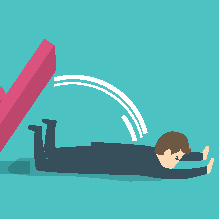
There’s an old saying that “Knowing is half the battle,” and that adage couldn’t be truer when it comes to your hearing and quality of life. Hearing loss affects more than your ability to communicate, so we’re sharing six reasons to have your hearing tested sooner rather than later.

  1. FALLS — Untreated hearing impairment is linked to falling, which is more common among people with hearing loss. In a 2012-published study of 2,017 adults ages 40 to 69 and led by Johns Hopkins and National Institute on Aging researchers, those with mild hearing loss were nearly three times as likely to have reported a fall. Ears play an important role in helping maintain balance, making it important to identify and address hearing problems early.
  2. BRAIN HEALTH — Hearing loss can potentially take a toll on the brain, which may have to work harder to process sound. In addition, an ever-growing body of research connects hearing loss to other problems such as faster brain atrophy, earlier onset of major cognitive decline, and up to five times’ higher risk of dementia. With hearing aid use, however, age-related cognitive decline could slow as much as 75%.
  3. DEPRESSION — Research supports a link between hearing loss and depression. Older adults with hearing loss, for example, have a 57% greater risk of experiencing deep depression than those without it, per a Johns Hopkins investigation. With hearing aid use, however, the odds of depression may be lower, according to another study.
  4. FINANCES — Did you know? Research suggests a link between untreated hearing loss and higher medical costs, with older adults paying some 46% more — about $22,434 — than their normal-hearing peers in a 10-year span. In addition, annual household earnings can take a hit of as much as $30,000 with a hearing loss, but treatment with hearing aids could reduce that risk by up to 100%.
  5. CHILD DEVELOPMENT — The impact of hearing loss on children reaches beyond the physical and emotional effects, with implications for their academic-, social-, and communication-related development. For example, 25% to 35% of kids with hearing loss in even just one ear may risk failing a grade level. Early intervention, which could make a big difference in a child’s quality of life, starts with testing.
  6. RELATIONSHIPS — Adults with unaddressed hearing loss report reduced social engagement, more emotional turmoil, and other challenges that could affect their relationships and more. The good news? Not only do adults treated with hearing aids report significant improvements in their social lives and relationships with families, but their loved ones do too, per research from the National Council on Aging.

Some 466 million children and adults around the globe have experienced disabling hearing loss, according to the World Health Organization, but only a fraction receive care. Empowerment starts with answers, so don’t wait. Stay atop your hearing health by scheduling a comprehensive hearing evaluation with our caring team today. It’s easy, painless, and helps you stay on the path of better hearing and improved overall wellness.

How Prevalent Really is Hearing Loss Among Americans and Canadians?

How Prevalent Really is Hearing Loss Among Americans and Canadians?

How many people in your life have hearing difficulties? One person? Two people? A handful? No one? The actual number is quite possibly more than you think, because hearing loss — the inability or reduced ability to perceive sounds that enter the ear — is much more common than many realize.

In the United States and Canada together, for example, millions of people live with hearing loss. Numbers may vary per organization, government agency, or study, but:

In both countries, hearing loss also represents one of the top chronic physical conditions — even, in the case of the United States, ahead of diabetes or cancer. It’s a growing concern affecting children and adults, including approximately 34 million youth worldwide. In fact, it’s one of the most common birth defects in Canada and possibly the most common one in the U.S.

The good news?

Most hearing loss can be effectively managed with solutions such as hearing aids, helping you stay connected to the people, places, and experiences that matter most.

The bad news?

Only a fraction of those who could benefit from hearing help actually seek or receive it, making hearing loss an undertreated issue.

Even worse, hearing loss not only impacts communication but can go hand in hand with other problems such as social isolation, depression, diabetes, dementia, heart disease, and risk of falls.


FEBRUARY IS HEART MONTH

Did you know? Like hearing loss, cardiovascular disease — including heart disease and stroke — is a global public-health challenge. It’s the No. 1 killer worldwide, with nearly 18 million deaths annually per World Health Organization estimates, and is linked to hearing loss.

Precisely how cardiovascular disease and hearing loss are connected isn’t yet conclusive in all cases, but researchers have found, for example, that those with heart disease are 54 percent more likely to experience a hearing loss — even more so if they’ve suffered a heart attack.

Some risk factors such as age, gender, and family history can’t be helped, but healthy choices such as the following can make a difference in helping prevent either condition:

  • Avoiding tobacco
  • Following a healthy diet
  • Exercising regularly
  • Getting regular hearing and overall checkups

Take it to heart, and spread the word!

Does Your Heart Health Affect Your Hearing Health?

Easy Ways to Boost Heart Health

The human body is complex. So complex, in fact, that some things you read about it might seem downright far-fetched. For example, your heart health affects your hearing health.

The Heart–Hearing Link

That might sound a little squirrelly, but it’s supported by more than six decades of research. How are they connected?

Your inner ear is where sound waves get translated into a language — electrical impulses — that your brain understands. Structures critical to this translation process depend on nourishment from tiny blood vessels. When your heart doesn’t work well, those structures don’t get enough blood and, therefore, don’t work like they should, leading to hearing loss.

The connection is so strong that, in the event of a heart attack, it’s recommended that you get a hearing test to catch hearing loss early. It’s also been suggested that every hearing care patient’s history include detailed information about heart health, such as history of heart disease, hypertension, heart attacks, or heart surgery due to coronary blockage.


Keep Your Heart Healthy

There are plenty of easy ways to improve your heart health. Instead of a list of don’ts, we’ll keep it positive. Here are three easy things you can do to head toward heart health.

  1. Stand up

    The scientific community is starting to recognize just how unhealthy sitting for a big portion of the day really is. Simply put, sitting for long periods is linked to heart disease. Stand up from time to time. It helps more than you realize. It’s not a matter of making sure you’re exercising enough — per Dr. Erin Michos, associate director of preventive cardiology at Johns Hopkins, “Even if you’re doing 30 minutes per day of physical activity, it matters what you do the other 23 hours of the day.” Dr. Michos finds reasons to get up and move every hour, such as going down the hall to a colleague’s office to ask a question instead of asking via email.

  2. Make every meal a rainbow

    To reduce risk of heart disease, the Heart and Stroke Foundation of Canada recommends 7 to 10 servings of vegetables and fruit every day. Practically all of them are low in calories, fat, and sodium, and many are rich in vitamin C or beta-carotene, both of which reduce plaque buildup in your arteries. To understand what the foundation means by “serving,” here’s Health Canada’s current serving-size guide.

  3. Keep the fats — but only the healthy kind

    It’s never a good idea to cut out all fat. Your body needs certain fats. According to the American Heart Association, the heart-healthy approach is to focus on unsaturated fats (poly or mono), heavily limit saturated fats, and cut out artificial trans fats, hydrogenated oils, and tropical oils entirely.

    What does that mean, exactly? Easy ways to load up on the good stuff are adding fish and avocado to your diet, eating nuts in moderation, and steering toward oils that are low in saturated fat, such as avocado, grapeseed, olive, and sesame oils.


It’s All Connected: Surprising Ways Your Health Affects Your Hearing

In honor of World Health Day on April 7, 2019, let’s take a look at some surprising ways your physical health can impact your hearing health.

If you’ve recently been diagnosed with hearing loss, consider asking your physician or dentist about these other issues so you can keep on top of your overall health.


Cardiovascular Health

It’s been demonstrated many times over in the last few decades that heart health affects hearing health. But how? In your inner ear are tiny cells called hair cells. These convert sound into electrical signals that are sent to your brain to be interpreted. When you have cardiovascular problems, your heart can’t pump well enough for your hair cells to get sufficient blood, so they end up damaged or destroyed. As you lose hair cells, you lose hearing ability.

Diabetes

Hearing loss is roughly twice as prevalent in those with diabetes compared to those without diabetes. Why does it affect your hearing? Diabetes narrows the main artery running to your inner ear, compromising the blood supply to your hair cells. It can also damage the nerve that sends sound information from your inner ear to your brain.

Oral Health

This one’s a surprising twist: Your oral health affects your hearing health. It happens by way of your cardiovascular system. It’s been demonstrated that your oral health is connected to your heart health. Periodontal disease can result in bacteria and toxins entering the bloodstream, which increases the chance of cardiovascular issues. As already shown, cardiovascular problems affect the tiny hair cells in your inner ear, leading to hearing loss.

Thyroid Health

The common autoimmune disorder Graves’ disease has been linked to hearing loss. Graves’ disease causes hyperthyroidism, that is, an overactive thyroid gland. More study is needed to figure out exactly why hyperthyroidism affects your hearing, but it makes sense: The hormones it produces control how your body uses energy, so it affects your whole body — including your heart. And as we’ve seen, your heart health strongly affects your hearing health.


How to Wear Behind-the-Ear Hearing Aids With Glasses

How to Wear BTE Hearing Aids and Glasses

As technology advances and “hearables” become more commonplace, one odd fact emerges: We’re putting more and more things behind or in our ears. Whether glasses, headphones, or the latest discreet behind-the-ear hearing device, the area our ears occupy is starting to get a little crowded.

So that begs the question: Can you wear (sun)glasses and the common BTE (behind-the-ear) hearing aid model comfortably and without worry?


Behind the Ear

With all the different hearing aid styles, you might wonder, “There are so many sleek and nearly invisible options on the market, why would someone choose a behind-the-ear model?”

It’s discreet. The great thing about today’s hearing technology? It’s all discreet now. The question is how far you want to go in your discretion. The BTE model tucks unobtrusively between your outer ear and your head. From the side, no one would even know it’s there. And even in the BTE family, there’s now the miniBTE, for an even slimmer profile.

It’s powerful. The BTE is ideal for moderate to severe hearing loss. Other types, such as in-the-canal and in-the-ear, have many strengths, but they may not be ideal for hearing loss greater than a mild to moderate loss.

It’s easy to use. The casing of the BTE is easier to hold and manipulate than the other styles, and it has simple-to-use, easily accessible controls.

It’s comfortable. Many feel the smaller models that sit against or in the ear canal create a plugged-up feeling. In fact, some people have ear canals that are too small to accommodate any model but the BTE.

The BTE With Glasses

The following will ensure you thrive with glasses and a BTE hearing aid.
Considerations

  • If you already have BTE hearing aids and have been told you need glasses: Buy frames with thin wire earpieces to minimize the amount of space taken up behind your ear.
  • If you already wear glasses and have been told you need BTE hearing aids: Work with your provider to determine the smallest tube that will work for your situation. A miniBTE might be an ideal option.

Practical tips

  • Put your glasses on first, as they are harder to adjust.
  • After your glasses are secure, carefully place the hearing aid between the glasses earpiece and your outer ear.
  • Adjust both as needed until they are comfortable and the hearing aid isn’t hanging away from your outer ear.
  • In front of a mirror but away from a hard surface, practice removing and putting on your glasses. Use both hands, and only use a straight-forward and straight-back motion. Tilting your glasses up and down or side to side will knock off your hearing aids.
  • Practice, practice, practice. It might sound silly, but muscle memory will be your best friend. While practicing, you’ll knock off your hearing aid, but each time it happens, you’ll learn a little more about the best method to use for your glasses/hearing aid combination. Better to knock them off at home, in a controlled environment and on carpeting, than not to practice at all and have it happen on the sidewalk, at work, or in the backyard.

We’re here to help — let us know if your BTE hearing devices aren’t cooperating with your glasses! And if you haven’t had your hearing checked in a while, to schedule a hearing evaluation.

5 Tips to Protect Against Falls | Salus Hearing

5 Tips to Protect Against Falls

They’re typically unexpected and can happen anytime. They sometimes end with a giggle but often are far more serious. They’re falls, and preventing them can help preserve your health and quality of life. So don’t miss this: We’ve got five simple tips for avoiding hazardous slips!

According to research, falls are more common among people with hearing loss. In one study, patients with mild hearing loss were nearly three times as likely to report a fall in the previous year. Plus, every 10-decibel increase in hearing loss also meant a 1.4-fold increase in the odds of a fall the prior year.

The findings, from researchers at Johns Hopkins School of Medicine and the National Institute on Aging, were consistent with past research linking hearing loss and increased risk of falling.

Falls are the second leading cause of accidental death, per the World Health Organization, and they can result in other serious injury or disability. They’re also associated with hearing impairment, which can affect your balance.


Reduce your risk with these five tips:

  1. Get your vision checked, making sure you’re seeing your best.
  2. Be sure to understand how any medications may affect you, including your balance.
  3. Check your surroundings for hazards such as uneven surfaces, slippery floors, small rugs, or unstable handrails.
  4. Help ensure your loved ones and those with disabilities have a safe environment adapted to their physical needs.
  5. Keep your hearing in top shape, starting with hearing exams once a year and whenever you’re having trouble understanding — especially if you’re having difficulty while dining out, watching TV, or talking on the phone.

FALLS: MORE SERIOUS THAN YOU MIGHT THINK

  • An estimated 646,000 individuals each year die from falls.
  • Nearly all hip fractures — over 95% — are attributable to falls.
  • Over 37 million nonfatal falls each year are severe enough to require medical attention.
  • Balance disorders are big contributors to falls among seniors, who suffer the most fall-related fatalities.

Falls can get in the way of your overall wellness and sense of independence. If you’re experiencing balance issues, dizziness, or falls or are having trouble hearing, please don’t wait. Schedule an appointment with our hearing care professionals today.