
Assistant avatar
Need help?
I'm available 24/7 to help with your hearing and tinnitus needs.

Comorbidity

Is Weight Connected to Hearing Loss? Studies Say There’s a Connection.
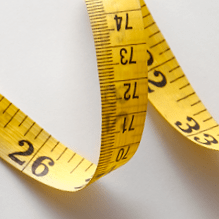
Is Weight Connected to Hearing Loss?

Studies about weight often concern its relation to overall health. Common connections include weight and the risk for or prevalence of heart disease, diabetes, and sleep apnea, to name a few. One topic that doesn’t get as much attention is the connection between weight and risk for hearing loss. But is there a connection?

To understand how weight affects hearing, you need to know about something tiny but important in your inner ear: the hair cell.

The Hair Cell

Your brain doesn’t understand sound waves. Tiny, hair-like structures in your inner ear, called hair cells, translate sound waves into a language — electrical signals — your brain understands. It sends those signals to your brain through the auditory nerve, and your brain interprets the signals as sound information.

Care and Feeding of Your Hair Cells

Hair cells need plenty of oxygen, which they get from strong, rich blood flow. If you have poor circulation, your hair cells don’t get sufficient nourishment. This leads to cell damage or death. Your body can’t repair hair cells — the damage is done, leaving fewer opportunities for sound information to reach your brain. Hearing loss due to damaged or destroyed hair cells is permanent.

Weight and Blood Flow

The more fat tissue in the body, the harder the heart has to work to get blood where it needs to go. Despite the extra work and increased blood pressure, the blood doesn’t actually move through the body as easily. It’s harder for the blood to reach areas farther away from the heart, such as the tiny blood vessels in your inner ear. Again, the poorer the blood flow, the less nourishment for your hair cells.

Is the Belly the Culprit?

Results from a John Hopkins School of Medicine study reported that improvement in blood flow is directly related to a reduction in excess belly fat. How? As belly fat is lost, the arteries regain their ability to expand, allowing blood to flow freely. The greater the reduction of belly fat, the stronger the recovery of healthy blood flow.

So it stands to reason that reducing belly fat would lead to better hearing. And results from the Harvard Nurses’ Health Study support that reasoning: They found a direct correlation between amount of belly fat and risk of hearing loss. They also found that exercise protected against hearing loss.


If you suspect you might have hearing loss, contact us today to schedule an appointment!

Osteoporosis May Nearly Double Risk of Sudden Hearing Loss

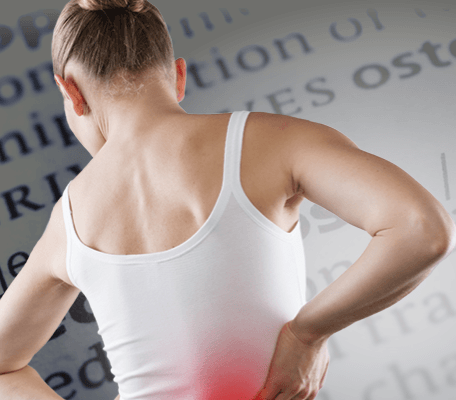
No Bones About It: Osteoporosis May Nearly Double Risk of Sudden Hearing Loss

What does osteoporosis, a potentially debilitating disease affecting some 10 million Americans and 2 million Canadians, have in common with conditions such as heart disease, diabetes, chronic kidney disease, dementia, and other selected conditions? It can go hand in hand with hearing loss.

More specifically, at least one study links osteoporosis to a nearly doubled risk of sudden sensorineural hearing loss, a disease that can touch people of all ages around the globe but primarily affects those in their 50s and 60s.

What Is Osteoporosis?

Osteoporosis is a disease characterized by weakened bones that are more vulnerable to breakage. It occurs when the normal process of old bone being replaced by new bone slows down, putting the person at greater risk of serious problems such as hip, wrist, and spine fractures.

Though some osteoporosis risk factors such as gender, age, race, and family history can’t be helped, a few preventive tactics can make a difference in keeping bones healthy, strong, and more resistant to becoming fragile, weak, and brittle:

  • Avoid tobacco use and excess drinking.
  • Adopt a regular exercise regimen approved by your doctor.
  • Maintain a healthy body weight, steering clear of too few or too many calories.
  • Eat healthfully, being sure to include protein, calcium, vitamin D, and other nutrients in your diet.

Does Osteoporosis Cause Sudden Hearing Loss?

Scientists aren’t necessarily ready to say that osteoporosis actually causes sudden sensorineural hearing loss, but studies have long reported a relationship between the two. More recently, researchers in Taiwan sought to quantify the risk of sudden hearing loss in osteoporotic patients. They published their results in the June 2015 edition of The Journal of Clinical Endocrinology & Metabolism.

The investigators, who studied a random representative sample of 1 million participants in Taiwan’s National Health Insurance program, found that those with osteoporosis had a 1.76-fold risk of experiencing sudden sensorineural hearing loss. Patients at seemingly greatest risk: adults 50 and older, women, and — possibly — those with hypertension and osteoporosis.

QUICK FACTS ABOUT SUDDEN SENSORINEURAL HEARING LOSS

  • Relatively common and typically referred to as “sudden deafness” or “SSHL”
  • Involves rapid hearing loss in an instant or over several days
  • Usually develops in one ear rather than both
  • May occur together with dizziness or ringing in the ears
  • Requires immediate help for greatest effectiveness of treatment
  • Common treatment includes steroid therapy, but some cases resolve on their own
  • Often has unknown cause, but common culprits include head injury, ototoxic drugs, infectious disease, circulation problems, thyroid disorders, and other selected conditions

What Can You Do?

Take good care of your bones — and your ears. A causal relationship between osteoporosis and sudden sensorineural hearing loss might not yet be conclusive, but one thing is clear: If you or a loved one has osteoporosis or is experiencing listening difficulties, it’s important to get a hearing check.

So don’t wait. To stay atop your hearing health and help catch any potential changes or problems early, contact us to schedule a hearing evaluation today. Our caring team is here to help with all your listening needs!