Hearing Health

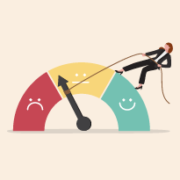
5 Simple Ways to Boost Your Mood This Winter

Hearing Health and Mental Health Have a Clear Connection

In fact, untreated hearing loss increases your risk of depression, anxiety, social isolation, and more. Winter is also a prime time for seasonal blahs. If you could use a little mental-health boost, here are some simple ways to get started.


Express Gratitude

Gratitude improves happiness, well-being, and mental health. The best-researched method is keeping a gratitude journal. Once or twice a week, choose one act or person you’re grateful for and write a few sentences detailing why. In daily life, you’ll begin to seek out the positive — rather than the negative — and writing it down allows you to really savor that positive emotion.


Exercise

Exercise releases endorphins, which relieve stress and boost your mood. You can even use small things that add more activity to your day, like skipping the elevator in favor of the stairs or taking a short, brisk walk. If you work from home, tackle chores that require you to walk to another room or — better yet — another floor. Aim for 30 minutes a day.


Spoil Your Senses

Use your senses to quickly find calm. For some people, it’s an uplifting song or the smell of ground coffee. For others, it’s squeezing a stress ball. Each person’s relationship to their senses is a little different, so experiment to figure out what works best to bring you back to center.


Lose Yourself

Doing something you love, something you know you can lose yourself in, allows you to forget about life for a while. You don’t have to be a parent, a spouse, or an employee — you can just be.


Find a Furry Friend

Interacting with a pet lowers cortisol — the stress hormone — and raises oxytocin — the feel-good hormone. It also lowers blood pressure and eases loneliness and depression. Don’t have a pet? Walk a friend’s dog, volunteer to cat-sit for a vacationing neighbor, or volunteer at a shelter.

Contact us to learn more about the hearing health-mental health connection!

Sources:

Harvard Health Publishing. Giving Thanks Can Make You Happier. https://www.health.harvard.edu/healthbeat/giving-thanks-can-make-you-happier Accessed July 14, 2023.

American Psychological Association. Exercise: A Healthy Stress Reliever. https://www.apa.org/news/press/releases/stress/2013/exercise. Accessed July 14, 2023.

Niazi, Y, et al. Impact of Hearing Impairment on Psychological Distress and Subjective Well-Being in Older Adults. Pakistan Journal of Medical Sciences. 2020 Sep-Oct; 36(6): 1210–1215.

Johns Hopkins Medicine. The Friend Who Keeps You Young. https://www.hopkinsmedicine.org/health/wellness-and-prevention/the-friend-who-keeps-you-young. Accessed July 14, 2023.

Tips to Help You Live Longer With Hearing Loss

It’s Not Just About Hearing

Hearing loss can affect not only your well-being but your overall quality of life as well. If you have hearing loss, read on for ways to be the happiest, healthiest you.

Hearing Loss and Falls Are Linked

Research backs up the connection between hearing loss and falls. In one study, those with at least a mild hearing loss fell more often than those with healthy hearing. In fact, the odds of a fall increased as hearing loss worsened — falls were 1.4 times more likely for each 10-decibel increase in hearing loss.

One possible cause is that hearing loss robs your brain of resources. As more brainpower becomes devoted to hearing, less is available for postural control, which increases the risk of falling.

According to the National Council on Aging (NCOA):

  • Falling is the leading cause of fatal and nonfatal injuries for older Americans.
  • Falls threaten safety and independence, and they generate enormous economic and personal costs.
  • Falls result in more than 3 million injuries treated in emergency departments annually, including over 800,000 hospitalizations.

Hearing Technology Can Help

In a study from the Washington University School of Medicine in St. Louis, Missouri, participants with hearing loss had better balance when using hearing aids than when they didn’t. Senior author Timothy E. Hullar explained they seemed to use “the sound information coming through their hearing aids as auditory reference points or landmarks to help maintain balance.”

Lifestyle and Hearing Are Linked

A study done by Age and Ageing looked at hearing loss alongside disability and mortality in older men. The study found that, compared with those with no hearing loss, those with hearing loss have a greater risk of mobility problems and difficulties when performing daily activities. It also found that men with hearing loss have a greater risk of dying of any cause.

In a different study, it was reported that hearing loss is 5.5 times more prevalent in men than in women. In particular, those with high blood pressure and diabetes, as well as smokers of more than 20 years, are more likely to have a hearing loss.

Hearing Technology Can Help

study done by the National Council on Aging found that people who used hearing aids reported an increased sense of independence and safety, as well as improvements in depression, anxiety, and social isolation compared with the time before they treated their hearing loss.

Nutrition Affects Your Hearing

Nutrients are a great first-line defense against hearing loss, especially folate and omega-3 fatty acids.

Folate, a B vitamin, helps prevent age-related hearing loss. It does this by regulating the amount of homocysteine (an amino acid) in your system. A lack of homocysteine reduces blood flow to the inner ear, resulting in hearing loss. Good sources of folate include broccoli, leafy green vegetables, pulses, and liver.

Omega-3 fatty acids are a building block of your cell membranes. They fight inflammation, too. These are two properties that make omega-3 fatty acids ideal protectors of hearing health, and research backs this up. It’s well established that omega-3 fatty acids do, indeed, prevent age-related hearing loss. Good sources of this nutrient are fish, nuts, seeds, plant oils, and fortified foods.

Hearing Technology Can Help

If you do have age-related hearing loss, it’s easy to miss out on children laughing in another room, birds chirping, or your sweetheart’s whispered “I love you.” It’s these little moments that make life so rich. But hearing technology is now so advanced that you can adjust your settings to your surroundings.


Don’t miss another moment — contact us today!

New Year, New Hearing

Get a Head Start on Your Better-Hearing Resolution

Winter is a time when we celebrate with friends and family, but it’s equally important to devote some energy to self-care. By prioritizing our mental and physical health, we can become the best version of ourselves for our loved ones. This new year, take the first step towards caring for one of your most valuable assets — your hearing. Whether it involves addressing hearing loss or safeguarding your current hearing abilities, there are quick and simple steps you can take to ensure you’re hearing at your best.


Check It Out

If you’ve ever found yourself wondering if your partner is mumbling or if you might have hearing loss, stop playing the guessing game. Schedule an easy and comprehensive hearing exam with your local community audiologist. They have access to high-tech tools that can diagnose and treat hearing issues or even reveal that you might not have hearing loss at all. Remember, our hearing is as unique as we are, and making that initial appointment can make all the difference. Even if you receive a clean bill of hearing health, make it a yearly habit to go back for checkups as early intervention is crucial for maintaining optimal hearing.


Protect What’s Yours

Protecting your hearing now is a resolution your future self will deeply appreciate. Whether you love listening to music with earbuds or frequent live music venues, it’s wise to consider safeguarding your ears from noise-induced hearing loss. This extends to other noisy situations in life, such as loud workplaces or busy urban environments.

Fortunately, we have an array of hearing protection options at our disposal. Some headphones come with features that limit the volume to safe levels. Moreover, specialized earplugs designed for musicians and music-lovers allow you to enjoy the music while filtering out excessive speaker buzz. From earplugs to earmuffs, hearing protection is a crucial aspect of a better-hearing resolution that can easily become a healthy habit.


Shiny New Toys

While you’ve been busy shopping for everyone else, now is the perfect time to treat yourself to an upgrade. If you’ve never explored hearing aids before, or it’s been a while since your last purchase, prepare to be amazed by the latest advancements in hearing aid technology.

From Bluetooth connectivity to fall alerts and rechargeable batteries, modern hearing aids are packed with features that can significantly enhance your hearing experience. This is an exciting time to be in the market for a new hearing aid, so don’t miss out on the possibilities.

Interested in more high-tech options? Taking care of yourself can be as simple as indulging in some me time by visiting museums, theaters, and other public venues. Many of these places have installed hearing loops, allowing visitors to enjoy enhanced audio by wirelessly connecting through the T-coil setting on their hearing aids.

Before you go, call ahead and inquire about hearing loop availability, or keep an eye out for the hearing loop logo at participating venues. Ensuring you have access to all available resources will make your me time even more enjoyable.

Make a vow to keep your hearing in tip-top shape, and let us assist you in this journey. Contact us today for more tips on hearing better in the new year. With a proactive approach and the right resources, you can keep that resolution and ensure that your hearing remains at its best for years to come.

Keeping the Peace: 5 Holiday Communication Tips

Preventing arguments and heated discussions around the dinner table isn’t impossible

Though some of us may not want to admit it, family gatherings during the holidays are sometimes stressful. With people of different ages coming together, generations can collide, leading to communication roadblocks and misunderstandings. Here are five ways to keep things copacetic.

Redirect Problematic Topics

Many families attempt, year after year, to implement a “no politics or religion” rule for holiday conversations, but since these subjects are so personal and integral to our daily lives, that rule is almost always broken. Who can resist talking about beliefs they hold dear? The key to keeping the peace is redirecting the flow of conversation before it engrosses guests. At the first sign of a potentially polarizing topic, gently change the subject. If one guest in particular is a repeat offender, try to involve him or her in a distracting activity. Maybe the kids need help building a gingerbread house or some after-dinner dishes need washing. If all else fails, proposing a fun game like charades or Cranium could do the trick. Who has time to argue about elections when they’re acting out a movie scene?

Maintain a Positive Atmosphere

Nobody’s life is perfect. Even the most upbeat, amiable guest can experience setbacks and emotional upset during the holidays. You can’t foresee problems like delayed flights, sick children, marital tensions, or accidents, but you can ensure that the general vibe of your get-together is welcoming and inclusive. Offering sincere regard and gratitude for each guest goes a long way toward making everyone feel comfortable.

Reignite Happy Memories and Create New Ones

Celebrating the holidays with family means you likely have a long history with most of the people present. A great way to boost everyone’s mood is to reminisce about the good times you’ve shared and avoid revisiting old hurts like childhood rivalries or traumatic events. Ask relatives to retell beloved jokes and anecdotes, congratulate them on recent achievements, and try to make this occasion one that will be remembered fondly.

Keep an Eye on the Kids

If there are children at your gathering, the potential for a ruckus is high. Depending on their ages, it may be necessary to keep a close eye on them to ensure no one is being bullied or excluded from playtime. Not only will this make them happier and reduce disruptions like tantrums and crying, but it also mitigates the animosity parents might feel for one another when their children aren’t getting along.

Be Mindful of Hearing Difficulties

With hearing loss affecting 1.5 billion people globally, there’s a good chance that at least one of your guests lives with the condition. Whether they wear hearing aids or not, there are steps you can take to ensure they’re included in conversation and feel heard and understood:

  • Make sure you have the person’s attention before speaking
  • Use facial expressions and gestures to accentuate your message
  • Raise your voice slightly
  • Use short, simple sentences
  • Rephrase your words if the person is having a hard time understanding you

Let us help make this year the most peaceful one yet! Contact us today for a complimentary hearing consultation.

5 Holiday Side Dishes That Support Your Hearing

Celebrate the Holidays — and These Side Dishes

Nutrition is a powerful defense against hearing loss, and the holidays offer a great opportunity to load up on some delicious and hearing-healthy nutrients!

You Hear What You Eat

It’s well-established that folate, omega-3 fatty acids, the antioxidant-magnesium combo, and potassium offer robust support for the tiny world inside your inner ears. The following side dishes are packed with all of these cochlea-cuddling nutrients.

Root Vegetable Tarte Tatin

This dish has all four nutrients mentioned above, and in abundance. But this hearing-health powerhouse is as delicious as it is good for you. The veggies, sugar, olive oil, white wine vinegar, herbs, and spices provide a sweet-spot balance of savory and sweet — plus the inspired addition of goat cheese! Mix and match the root vegetables to suit the tastes of your household.

Honey-Thyme Butternut Squash

All by itself, the butternut squash holds its own as a flavor favorite — but it also packs a punch with all four inner-ear friendly nutrients listed above! Like the root-vegetable tarte tatin, it has just the right balance of sweet and savory: The butternut squash is complemented by the perfect hints of cream, honey, and herbs. Could it — dare we say it — replace mashed potatoes as your go-to holiday side?

Skillet Zucchini and Sausage

The classic familiarity of meat and veggies meets hearing-health support in this savory delight that’s sure to please everyone. The zucchini, tomatoes, onion, and green pepper are the stars of the show, but feel free to swap out the sausage for a lower-sodium meat such as chicken.

Cranberry Rice Pilaf

This dish is a triple threat — delicious, packed with all four nutrients mentioned above, and an excellent crash course for those new to cooking! Show your nephew how to sauté. Show a trustworthy teen grandchild how to dice onions and celery. Or don’t, and enjoy preparing an easy and delicious side dish yourself.

Brussels Sprouts With Balsamic and Cranberries

It’s entirely possible this easy, amazing side dish will make brussels sprouts converts out of even your most picky eater. Roasted brussels sprouts are drizzled with a balsamic-sugar reduction, then dried cranberries are sprinkled on top — the perfect complement to whatever meat is the star of the show!

Hearing-Conscious Costume Ideas

These guidelines can help ensure you hear your best no matter what costume you choose

It’s that time of year again: crunchy leaves underfoot, a crisp chill in the air, beautiful fall colors, apple cider, shorter days and longer nights, and of course, Halloween! With 23% of Americans and 44% of Canadians naming Halloween as their favorite holiday, this is certainly a popular festivity. Dressing up can pose a challenge for folks living with a hearing loss but fear not! These tips can help you avoid common pitfalls and make the most of All Hallows Eve.

Embrace Your Tech

If you wear hearing aids, you may not have thought of incorporating them into a costume, but they’re the perfect accessory for sci-fi themed ensembles. Characters from Star Wars, Star Trek, and the Marvelverse commonly wear high tech gear and futuristic clothing. Your hearing devices will fit right in and add a touch of authenticity that other people’s costumes won’t have. Be careful about attaching anything to your devices, though. While there are many stickers, jewels, and other accoutrements safe for adhesion to hearing aids, homemade adornments could damage them. When in doubt, ask your audiologist!

Hide Your Tech

For some hearing aid users, particularly children, it may be desirable to disguise hearing devices rather than plan a costume around them. This is easily accomplished with a wig, helmet, hat, headdress, or any other piece that covers the ears. Sounds simple enough, right? But hold on — it requires a bit more thought, because you’ll want to avoid anything that presses or pulls on the hearing aid and ensure the easily tangled strands of a wig don’t get wrapped around the tubing. Similarly, the confines of hard plastic or metal headgear (if you’re dressing up as a knight, for example) can potentially create acoustic feedback. While it may not look as impressive, softer materials such as cardboard and foam are better choices.

Optimize Hearing Even Without Technology

Even if you have normal hearing, beware of costumes that may impede communication. Dressing up as Darth Vader might seem like a great idea, but what if you can’t hear well inside that huge helmet? Also consider that any mask covering your mouth will make it more difficult for the people around you to understand what you’re saying. Classic masked horror characters like Michael Myers, Jason Voorhees, and Ghostface don’t do much talking, but if you’re the chatty type and looking forward to mingling at a Halloween party, these may not be the best costumes for you! Choosing a costume that relies on makeup rather than a mask is a better bet for good hearing and communication.


Getting into the spooky spirit doesn’t have to mean missing out on conversation. Call today for a complimentary hearing screening.

6 Fun Facts About Ears and Hearing

Who Knew Hearing Was So Fascinating?

Until you have a problem with your hearing, it’s easy to overlook it. But the world of ears and hearing is far more interesting than you might have thought.

Parrots in World War I

Parrots can pick out very subtle differences in pitch, tone, and rhythm. They’re also excellent at locating where a sound is coming from. They’re so skilled, in fact, they stole one duty from the soldiers during World War I: Parrots were kept on the Eiffel Tower in Paris to warn of approaching enemy aircraft.

Teeny Tiny Bones

The smallest bones in your body are in your middle ear. They’re called the hammer, anvil, and stirrup (or the malleus, incus, and stapes, for you science fans). They’re critical for hearing, because they help sound information get from your eardrum to your inner ear. All three can together fit on a penny!

The Curious Case of the Chorda Tympani

After ear surgery, some people experience changes in their sense of taste! A nerve called the chorda tympani connects your front taste buds to your brain. This nerve also passes very close to your eardrum. During surgery on the middle ear, one common complication is damage to the chorda tympani nerve. A taste disorder — for example, a persistent metallic taste at the tongue tip — is the most common result. Symptoms usually do subside, but it can take up to two years in severe cases.

Ears Aren’t for Everybody

Snakes pick up vibrations from the ground using their jawbones. Some spiders hear using nerve-based receptors on their legs, which pick up soundwaves and send the impulses to their brain. Male mosquitoes use feathery antennae covered in fine hair, which sense sound from vibrating air particles.

In the Loop

You have three small loops in your inner ear, above your cochlea, called semi-circular canals. They’re lined with microscopic hairs and filled with fluid. Every time your head moves, so does the fluid. The little hairs pick up on the movement and communicate it to your brain. Your brain adjusts your body accordingly to keep you balanced.

Your Ears Are Self-Cleaning

Your ear canals produce earwax on purpose! Earwax is antibacterial, and it protects and lubricates your ears. What’s more, your ear canals have a slight downward slope. Your earwax naturally travels toward your outer ear, picking up dirt and debris with it. Sure, we find it gross. But it’s essential for healthy ears!

Ototoxicity and How to Avoid It

While the two most common culprits of hearing loss are loud noise and age, certain chemicals and medications can also damage the inner ear. This is called “ototoxicity, which literally means “ear poison.” Ototoxicity can lead to hearing loss, tinnitus, and balance disorders.

Common ototoxicants

According to the U.S. Occupational Safety and Health Administration (OSHA), there are four main categories of ototoxicants:

  • Pharmaceuticals, such as loop diuretics, selected analgesics, some chemotherapy medications, and certain antibiotics
  • Solvents, such as toluene, ethylbenzene, and trichloroethylene
  • Asphyxiants, such as carbon monoxide, hydrogen cyanide, and tobacco smoke
  • Nitriles, such as 3-butenenitrile, cis-2-pentenenitrile, and acrylonitrile
  • Metals and compounds, such as mercury compounds, germanium dioxide, and lead

Since most people don’t keep industrial-grade solvents and compounds in their homes, the ototoxicants you’re most likely to encounter are nonsteroidal anti-inflammatory drugs (NSAIDs) such as aspirin, ibuprofen, and naproxen sodium.

Symptoms of ototoxicity can include nystagmus (involuntary eye movement), headaches, fatigue, nausea, and vertigo. Prior to the development of hearing loss, tinnitus will usually appear first.

Can ototoxicity be treated?

Because the hair cells of the inner ear are so delicate and easy to damage, there’s no real treatment for ototoxicity. Prevention is always the best course of action. That said, hearing and balance can often recover once exposure to the ototoxicant has ended, though it may take months. In the event that hearing is permanently changed, hearing aids and auditory rehabilitation measures are extremely helpful. An audiologist or other hearing care professional can help you explore the options.

Can ototoxicity be avoided?

In the short term, yes.  By avoiding contact with ototoxic substances, you can keep your ears safe from their effects. In the longer view, the answer is “probably not.” With hundreds of known ototoxicants out there in the world, staying away from them all is very difficult, and since many are life-saving medications such as chemotherapy drugs, we wouldn’t recommend that you try. Risk must be weighed against benefit.

There is good news, however. With awareness of ototoxicity on the rise, many drug manufacturers are exploring ways to reduce this particular side effect and develop better treatments that don’t harm our hearing as much. Discussing concerns about ototoxicity with your doctor is always advisable, and, when it comes to occupational exposures, getting clarity on exactly what substances you’ll be working with and what your employer is doing to mitigate risk will arm you with the knowledge you need to stay safe.


Ototoxicity is a common hearing hazard, but that doesn’t mean you can’t be proactive about your hearing health. If you or a loved one is taking ototoxic medication or experiencing symptoms of ototoxicity, make an appointment for a hearing screening today.

How to Deal with Earwax

When it comes to ear cleaning, be gentle and consider leaving it to the professionals.

The general consensus that we shouldn’t insert objects like cotton swabs into the ear canal is good advice, but many people disregard it because they feel they have to clean their ears somehow. So how should you do it? Read on to find out.

Earwax: what it does and where it comes from

The human ear is divided into three sections: the outer, middle, and inner ear.  The main parts of the outer ear are the pinna and canal. Within the canal is the tympanic membrane, also known as the eardrum. Beyond the eardrum is the middle ear, a small area containing the ossicles that transmit sound vibrations to the inner ear, and the inner ear is home to the snail-shaped organ (cochlea) that sends sound information to the brain.

Earwax is excreted by special glands on the outer part of the ear canal. Its job is to trap debris and microbes before they can travel deeper into the ear. It keeps the skin hydrated and healthy, prevents itching, and repels water. Anyone who has ever had swimmer’s ear can appreciate the protective effects of earwax!

Should you clean your ears?

Because earwax is produced in the outer part of the ear, there is no need to deep clean your ear canals at all. When a blockage does occur and puts pressure on the eardrum, it’s usually because a cotton swab or other object has forced it in deeper than it should be. Earwax naturally travels outward due to the motion of the jaw when talking and eating. It can then be easily washed off with a warm cloth in the shower. As tempting as it may be to dig out the wax before this happens, resist the temptation to swab. You’ll be glad you did.

Some unlucky people do experience an overproduction of earwax and can feel plugged up or experience partial hearing loss due to buildup. In that case, there are a few different solutions.

Place a few drops of a body-safe oil in the ear canal to soften the wax and make it easier to remove. Suitable oils are:

  • Baby
  • Mineral
  • Almond
  • Olive
  • Coconut
  • Jojoba

Disinfectants such as rubbing alcohol and hydrogen/carbamide peroxide can also help remove wax, but be very careful with these because they can have harsh side effects. Alcohol dries out the skin and exacerbates itching, while peroxide can leave the ears wet, which encourages bacterial growth. If any of these substances cause pain, make an appointment with your doctor right away, as this may indicate a perforated eardrum or other injury.

Over-the-counter earwax removal drops are another option, but be advised that many of these are simply repackaged oils or peroxide solutions. It is often cheaper and more practical to make your own.

When is it time to consult a professional?

Anytime you suspect an injury or health condition involving the ears you should make an appointment with an audiologist or ENT. Hearing loss, tinnitus, pain, and fullness in the ears all warrant an investigation. Doctors use a special instrument called a curette to gently remove earwax (also known as cerumen). This may be necessary if the buildup is due to a physical condition such as a narrow ear canal. It’s important that a professional do this for you. Don’t be tempted by digital otoscopes, irrigation kits, or ear candles. They are easy to misuse and can lead to injury.


Earwax is one of the body’s most underappreciated defense mechanisms. Take care of your hearing by being gentle with your ears and letting earwax do its job. If you’re experiencing symptoms of buildup, call now to schedule a consultation and cleaning. We’re here to help!

Best Safe Hearing Gifts for Dad

Dad’s Ears Will Thank You

This Father’s Day, give dad the gift that truly keeps on giving — recreation that’s easy on his ears! These gift ideas are sure to make him, and his ears, happy.

Headphones

Dads love their earbuds, whether they’re listening to music, streaming the game on a smartphone, or enjoying an audiobook. But headphones are the better choice when it comes to hearing health.

Earbuds allow sound to sneak in around the edges. A person’s natural reaction is to turn up the volume to beat back the extra sounds. That can be a recipe for hearing damage. Plus, earbuds send audio directly down the ear canal — any fluctuation in volume is delivered right to your eardrum!

Headphones, however, create a seal around your ears. This lets in far less environmental sound to compete with what you’re trying to listen to. And sound coming from headphones has to travel a short distance just to reach your ear canal, so the force of the sound has a chance to lessen a little.

Specialty Earplugs

These earplugs are more robust and specialized for certain kinds of activities. You can get good, dependable, inexpensive versions, or go all-out and spend hundreds of dollars, depending on Dad’s needs.

Shooting earplugs (also known as hunters’ earplugs) protect you against the sudden, dangerous impulse noise of gunfire, but they allow you to hear the movements and voices of anyone nearby. And high-fidelity earplugs let you hear the tonal nuances of music while dampening the high volume — ideal for musicians and avid concertgoers.

Sound Hole Cover for Acoustic Guitar

Even if he’s great at guitar, that doesn’t mean you want to hear Dad’s acoustic arrangement of the metal hit “Crazy Train” coming up the basement steps yet again.

Sound hole cover to the rescue! This is a disc that nestles easily into the sound hole of most acoustic guitar models to dampen the sound. There are price options for every need — and it shouldn’t cost more than three to five dollars to keep Dad quietly shredding while also preserving his hearing.

Drum Practice Pad

Maybe Dad went the even noisier route of taking up the drums. But don’t worry — your days of hearing him loudly practice the opening staccato raps of Paul Simon’s “The Obvious Child” are numbered!

Enter the humble drum practice pad. Though not as inexpensive as an acoustic sound hole cover, it still won’t break the bank. When played, it simulates the same ‘give’ sensation as a real snare drum, but it’s much, much quieter. Dad will know it feels and sounds right, but his hearing won’t pay the price.

A Book

What could be better for Dad’s ears than a physical copy of a book? If he’s an avid reader, you can’t go wrong with a book, whether he’s eagerly awaiting the next Patterson thriller or has once again spilled coffee all over his copy of Walt Whitman’s Leaves of Grass.


Contact us to learn more if you’re interested in hearing-protection options for Dad this year!