
Assistant avatar
Need help?
I'm available 24/7 to help with your hearing and tinnitus needs.

Hearing Health

The Sound Void: How Hearing Loss Sneaks Up on You

The Sound Void: How Hearing Loss Sneaks Up on You

When you come to your first appointment with us, we encourage you to bring a companion, someone who spends a lot of time with you. Why is that? Because they’re able to give us a different perspective on your hearing loss. In fact, your companion probably noticed your hearing loss — and how it was affecting you — before you did.

But how is that possible if you’re the one with hearing loss?


How Sound Works

To begin with, it helps to understand how sound works. Most people think hearing loss is a question of volume. But that’s only part of the story. Sound is a combination of frequency (also called pitch) and intensity (also called loudness).

Frequency

Frequency measures how fast (or how frequently) a sound wave vibrates. High frequency means a high pitch, like the notes on the right side of a piano, and low frequency means low pitch, like the notes on the left side of a piano.

Intensity

Intensity measures loudness. A whisper has low intensity, and a shout has high intensity.

Frequency and Intensity Together

Each sound is a combination of these two qualities.

  • A baby screaming has high frequency and high intensity.
  • A man shouting has low frequency and high intensity.
  • The sound of leaves rustling has high frequency and low intensity.
  • A rumble of thunder has low frequency and high intensity.


The Sound Void®

Knowing how sound works helps us understand Sound Voids. We use the term Sound Void to refer to any moment lacking in clarity. Sound Voids have a lot to do with why your companion probably picked up on your hearing loss before you did.

Sound Voids happen all the time: Allergies or a cold affect your ears, leading to increased chance of misunderstanding what people say. Even a buildup of earwax can lead to an increase in Sound Voids.

But Sound Voids are also common with noise-induced or age-related hearing loss. Early on in these types of hearing loss, when someone speaks to you, you miss the high-frequency sounds, such as s, sh, c, ch, p, f, and h. These sounds help you identify words. With those sounds missing, “cat” could be mistaken for “hat” and “pickle” for “fickle.”

With this type of Sound Void, the intensities aren’t the problem — it’s the frequencies. In other words, you can hear people speaking just fine, but sometimes you misunderstand them.

At this early stage, what is actually a hearing loss truly seems to you like a momentary lack of clarity. You assume someone mumbled a little, or there are more people than usual at the restaurant. Loved ones probably think the same thing.

The Sound Voids Increase

But as time goes on, the Sound Voids become more frequent, and those closest to you start to notice subtle signs: You turn up the volume on the TV or radio, you need statements repeated more often, and you get tired more easily while socializing in public venues.

Your companion, by this point, has started to wonder if you have hearing loss. Because you’ve developed coping skills, you probably haven’t truly realized how it’s affecting you or your loved ones.

The Sound Voids Take Over

Eventually, enough of your hearing is damaged that you’re not just missing frequencies — intensity is now a problem, too. You’re more likely to miss the low-frequency sounds of speech, the ones that provide volume, such as o, i, and j.

At this point, your companion has probably wondered aloud whether you have hearing loss, and you’ve started to realize how your hearing loss is affecting others. This is when many people consider getting their hearing tested.

The Hearing Evaluation

This is why the companion is such a key part of the hearing evaluation: They’ve witnessed the early Sound Voids, the gradual behavior changes, how your hearing loss affects those around you, and your realization that you might have hearing loss. Their outside observations are an important complement to your internal observations.

5 Tips to Protect Against Falls | Salus Hearing

5 Tips to Protect Against Falls

They’re typically unexpected and can happen anytime. They sometimes end with a giggle but often are far more serious. They’re falls, and preventing them can help preserve your health and quality of life. So don’t miss this: We’ve got five simple tips for avoiding hazardous slips!

According to research, falls are more common among people with hearing loss. In one study, patients with mild hearing loss were nearly three times as likely to report a fall in the previous year. Plus, every 10-decibel increase in hearing loss also meant a 1.4-fold increase in the odds of a fall the prior year.

The findings, from researchers at Johns Hopkins School of Medicine and the National Institute on Aging, were consistent with past research linking hearing loss and increased risk of falling.

Falls are the second leading cause of accidental death, per the World Health Organization, and they can result in other serious injury or disability. They’re also associated with hearing impairment, which can affect your balance.


Reduce your risk with these five tips:

  1. Get your vision checked, making sure you’re seeing your best.
  2. Be sure to understand how any medications may affect you, including your balance.
  3. Check your surroundings for hazards such as uneven surfaces, slippery floors, small rugs, or unstable handrails.
  4. Help ensure your loved ones and those with disabilities have a safe environment adapted to their physical needs.
  5. Keep your hearing in top shape, starting with hearing exams once a year and whenever you’re having trouble understanding — especially if you’re having difficulty while dining out, watching TV, or talking on the phone.

FALLS: MORE SERIOUS THAN YOU MIGHT THINK

  • An estimated 646,000 individuals each year die from falls.
  • Nearly all hip fractures — over 95% — are attributable to falls.
  • Over 37 million nonfatal falls each year are severe enough to require medical attention.
  • Balance disorders are big contributors to falls among seniors, who suffer the most fall-related fatalities.

Falls can get in the way of your overall wellness and sense of independence. If you’re experiencing balance issues, dizziness, or falls or are having trouble hearing, please don’t wait. Schedule an appointment with our hearing care professionals today.

The Power of Better Hearing — Micah’s Story

Treating your hearing loss benefits your life in so many ways, from building stronger relationships to advancing your career to discovering your passions and making your dreams attainable. For people born with hearing loss, these achievements are a lifelong testament to the exceptional care and support of their audiologists, as well as the importance of continually investing in better hearing.

From Diagnosis to Acceptance

At a very young age, Micah was diagnosed with Usher’s Syndrome Type 2A, which is a rare genetic mutation that causes mild to severe hearing loss as well as progressive vision loss. He is going blind from retinitis pigmentosa and has worn hearing aids as long as he can remember. Growing up with this diagnosis was not easy. “I came to know the difference between the other kids and me when they pushed me down, imitated my slurred speech, and laughed,” he says. “The idea that my impairment signified me as ‘wrong’ rang out in the silence of everything else.” Micah_Image1 But with comprehensive hearing care at the hands of an empathetic provider who truly understood the isolation and social difficulties sensory deprivation can cause, Micah’s condition became manageable. “I know a world of sound because of an audiologist and her team who were devoted to me for over 20 years — the team that fit me, gave me batteries, reminded me of appointments, cleaned my hearing aids, sent them off for repairs, and knew me as an individual. They have given me courage, confidence, and success. I owe them more than the world.”

From Acceptance to Success

Treating multidimensional sensory loss is not only challenging but requires a dedicated provider willing to work closely with their patient. In Micah’s case, this personal investment in helping him live with his unique diagnosis has allowed a formerly isolated child to blossom into a dynamic and fearless person who faces challenges head-on. “Growing up empowered to become who I wanted to be, and to experience the world as it should be, had requirements that far exceeded the ‘cheapest available option,’” he says. “Amplification alone is not medical treatment. As my situation worsens, I will place my trust in those with the genuine interest in my situation and well-being, and the confidence to rise to the challenge.” Micah credits his hearing care team with helping him develop the confidence and social skills necessary to pursue his passions and goals, which include music, poetry, and giving back to the hearing care community. “I’ve been gifted the opportunity to be a musician, and the reality of everything that I have been gifted, in life and loss, has driven me to give all that I can back to the industry that cares for me,” says Micah. “Today I work hand in hand with private-practice providers around the country to deliver the utmost to each and every patient.” Micah Piano “Quite honestly, it took me 20 years to stand up straight to my condition, look it in the eyes, and call it my own. It is my hope that this story will […] act as a reminder of the cause hearing health care strives for.”
Contact us today to share your own experience with better hearing and let us know how it has improved your life!

Hand Dryers: For Kids, Beware the Noise

It’s no secret that hand dryers installed in public bathrooms can seem rather loud, but we were blown away by a young scientist’s findings when she put the volume levels of 44 automated machines to the test in restrooms across Alberta, Canada. Turns out some of those volumes can do a number on kids’ ears — which are more susceptible to noise-induced hearing problems — by reaching sound levels well beyond the danger zone of 85 decibels. Several of the various brands measured above 100 decibels when in actual use for hand-drying, and one was even greater than 120. The study, by then-9-year-old Nora Keegan, has captured international attention, with coverage by the New York Times, CNN, Canada’s CBC, and other media outlets. Now 13, Keegan is likely one of the youngest researchers to have her work published in the journal Pediatrics & Child Health. Per an NPR story, the Calgary student was inspired by the ringing in her ears and other kids’ reactions to hand-dryer noise to get to the bottom of just how loud the dryers — a common presence in public washrooms around the world — can be and whether they might negatively impact hearing ability. Her research, published this past summer after an approximately 15-month investigation, interestingly noted that some of the automated machines’ higher readings surpassed the legal limit of 100 decibels for peak loudness of children’s toys in Canada. A few other notable findings from this timely research:

  • “Not all hand dryers are equal in their hearing safety.”
  • Various dryers are potentially louder than some manufacturers’ claims.
  • Dryer noise is “much louder at children’s heights than at adult height.”

According to Keegan, the study’s “results can be used to guide regulators, builders, and landlords in making decisions about which dryers to install in public facilities.” The investigation also highlights “the importance of measuring dryer loudness at the location of children’s ears” — versus that of adults, who are typically taller.


What’s the big deal?

Noise exposure, one of the most preventable risk factors, is a leading cause of hearing impairment — second only to aging. Over a billion children and adults are vulnerable to recreational noise-related hearing impairment alone, per the World Health Organization, making it essential to keep the volume down. One of the most effective actions you can take is to prevent or limit your child’s exposure to excessively loud noise. Keeping hearing protection on hand — including custom earplugs, headphones, or earmuffs to help temper loud sounds, can also go a long way toward preserving your child’s hearing.      

Hitting the Water? Don’t Forget Your Swimmers’ Earplugs for Ear Protection!

You’ve packed the swimsuits, floats, safety vests, caps, goggles, kids, and snacks for a summer afternoon at the lake or neighborhood pool, but what about the earplugs?

These small accessories can make a big difference in keeping the good times going during family fun in the water. Before you go, here are four things to know about swimmers’ earplugs:

    1. They Help Protect Against Ear Infection

      Ears and moisture don’t always mix. Otitis externa, an outer-ear infection also known as “swimmer’s ear,” is typically caused by bacterial or fungal growth when the skin in the ear canal potentially becomes irritated from activities such as swimming. Though treatable, the condition can lead to temporary hearing loss and other problems, so prevention matters. Using quality, properly inserted earplugs helps keep the water — and the threat of infection — out of your ears.


    1. They Can Be Off the Shelf or Customized

      It’s always nice to have options, and swimmers’ earplugs are no exception. They come in disposable, reusable, and custom-fit varieties and can be made from silicone or putty. Off-the-shelf earplugs are often readily available at local drugstores, but your local audiologist can create a better-fitting, washable set tailored to your unique ears. Take heed: Swimmers’ earplugs are not the same as hearing-protection earplugs and should be used only for water protection.


    1. They’re Not Just for Swimmers

      Earplugs can be your best friend when it comes to protecting your ears in water, but did you know they’re not just for swimming? That’s right! Folks who work outside in the heat all day, for example, can also use earplugs to keep the sweat away, so it’s good to have a couple extra pairs at home, the job site, or other convenient storage spots. Remember: If your ears have a chance of getting wet, protective earplugs are one of your best bets.


  1. They’re a Solution for Adults and Children

    You might think swimmers’ earplugs are just for grown-ups. Not so fast! Water in the ears can also pose a problem for kids, who are typically more vulnerable to ear infections than adults. Inserting earplugs before a swimming session or at bath time, keeping your child’s ear canals clean, and drying the ears after any amount of time in the water or other moist environment can help curb the risk of infection. And remember: Always use clean hands when inserting earplugs into your or your child’s ears.


Are you concerned about protecting your or your loved ones’ ears? Contact our caring team to schedule a complimentary hearing-protection consultation today. We’re happy to help with solutions for the whole family!

How Are Smoking and Hearing Loss Related?

The connection between smoking and heart disease, cancer, and respiratory problems gets all the attention, but the effects of smoking on hearing have long been known. If you’re one of the 40 million U.S. adults who smokes cigarettes — or someone who lives with a smoker — read on to find out how smoking is linked to hearing loss.

Some Facts

How does smoking affect hearing?

  • Compared to nonsmokers, smokers have a 70% greater chance of developing hearing loss.
  • Nonsmokers are twice as likely to develop hearing loss if they live with a smoker.
  • The greater your daily average of cigarettes, the greater your risk of developing hearing loss.
  • Mothers who smoke during pregnancy increase their child’s risk for developing speech-language problems.
  • If you work around high levels of occupational noise, smoking increases your risk of noise-induced hearing loss.
  • Adolescents exposed to secondhand smoke are 2 to 3 times more likely to develop hearing loss — and they usually aren’t even aware of it.

Some Culprits

Different studies have reported different suggestions for how smoking damages hearing. Here are some common culprits.

Eustachian tube

Your eustachian tube runs from your middle ear to the back of your throat. It equalizes the pressure in your ears, and it drains the mucous created by the lining of your middle ear. Smoking leads to problems — and even blockages — in the eustachian tube, causing pressure buildup and hearing loss.

Blood Pressure

Smoking impacts your blood pressure. What does that have to do with your hearing? The structures in your inner ear depend on good, sturdy blood flow. When your blood pressure changes, your inner ear has difficulty processing sound. In pregnant women, smoking restricts blood flow — and, therefore, the oxygen supply — to the fetus. The developing inner ear doesn’t get enough oxygen, so it develops more slowly and could lead to speech-language problems later.

Neurotransmitters

Neurotransmitters are messengers that carry information between the cells in your body. Nicotine interferes with how your body regulates a key neurotransmitter — one that is crucial for transporting sound information from your inner ear to your brain. This means your brain isn’t getting enough sound input, so it has a harder time making sense of the sounds you hear.

Central nervous system

The parts of your central nervous system that create your ability to hear are still developing in late adolescence. This system is easily damaged by toxins — such as nicotine — during its development, which could explain the prevalence among adolescents of hearing loss due to secondhand smoke.


Though hearing loss caused by smoking can’t be reversed, it’s never too late to quit smoking to avoid further damage to your hearing. Contact us to schedule an appointment to get your hearing tested!

Centers for Disease Control and Prevention. Smoking & Tobacco Use: Data and Statistics. https://www.cdc.gov/tobacco/data_statistics/index.htm. Accessed July 31, 2018. Cruickshanks KJ, et al. Cigarette Smoking and Hearing Loss: The Epidemiology of Hearing Loss Study. JAMA. 1998;279(21):1715–1719. Katbamna B. Effects of Smoking on the Auditory System. Audiology Online. October 2008, article 899. https://www.audiologyonline.com/articles/effects-smoking-on-auditory-system-899. Tao L, et al. Effect of Cigarette Smoking on Noise-Induced Hearing Loss in Workers Exposed to Occupational Noise in China. Noise Health. 2013;15(62):67–72. Pezzoli M, et al. Effects of Smoking on Eustachian Tube and Hearing. Int Tinnitus J. 2017;21(2):98–103.

Is Weight Connected to Hearing Loss? Studies Say There’s a Connection.

Is Weight Connected to Hearing Loss?

Studies about weight often concern its relation to overall health. Common connections include weight and the risk for or prevalence of heart disease, diabetes, and sleep apnea, to name a few. One topic that doesn’t get as much attention is the connection between weight and risk for hearing loss. But is there a connection?

To understand how weight affects hearing, you need to know about something tiny but important in your inner ear: the hair cell.

The Hair Cell

Your brain doesn’t understand sound waves. Tiny, hair-like structures in your inner ear, called hair cells, translate sound waves into a language — electrical signals — your brain understands. It sends those signals to your brain through the auditory nerve, and your brain interprets the signals as sound information.

Care and Feeding of Your Hair Cells

Hair cells need plenty of oxygen, which they get from strong, rich blood flow. If you have poor circulation, your hair cells don’t get sufficient nourishment. This leads to cell damage or death. Your body can’t repair hair cells — the damage is done, leaving fewer opportunities for sound information to reach your brain. Hearing loss due to damaged or destroyed hair cells is permanent.

Weight and Blood Flow

The more fat tissue in the body, the harder the heart has to work to get blood where it needs to go. Despite the extra work and increased blood pressure, the blood doesn’t actually move through the body as easily. It’s harder for the blood to reach areas farther away from the heart, such as the tiny blood vessels in your inner ear. Again, the poorer the blood flow, the less nourishment for your hair cells.

Is the Belly the Culprit?

Results from a John Hopkins School of Medicine study reported that improvement in blood flow is directly related to a reduction in excess belly fat. How? As belly fat is lost, the arteries regain their ability to expand, allowing blood to flow freely. The greater the reduction of belly fat, the stronger the recovery of healthy blood flow.

So it stands to reason that reducing belly fat would lead to better hearing. And results from the Harvard Nurses’ Health Study support that reasoning: They found a direct correlation between amount of belly fat and risk of hearing loss. They also found that exercise protected against hearing loss.


If you suspect you might have hearing loss, contact us today to schedule an appointment!

Are Portable Music Players Putting Your Ears at Risk?

Turn the Music Up, Dude — But Not Past 85 Decibels

You probably use your tablet or smartphone often to stream music, TV shows, or movies. In fact, many websites these days auto-play videos regardless of whether you want them to.

Smartphones, tablets, and other types of portable music players (PMPs) are now commonplace, as are earbuds and headphones. But if your PMP is turned up too loud while wearing earbuds or headphones, you can damage your hearing quickly. Let’s look at why.

NIHL

This isn’t some new sports league — NIHL stands for noise-induced hearing loss, and it’s the second-largest cause of hearing loss worldwide.

You’re able to hear because of hair cells in your inner ear. These cells convert sound signals to electrical signals and send them to your brain, where they’re interpreted as sounds. But loud sounds can actually damage or destroy your hair cells.

Every time a hair cell gets damaged, you lose a little bit of your ability to hear, and that damage can’t be repaired. The result is NIHL.

How Headphones Hurt Your Hearing

Navigating noise is all about the decibels (a measure of sound pressure). You’re safe if the sound in question stays below 85 decibels (dB); above that, you’re in the action zone — protect your ears or risk hearing damage.

For comparison:

  • A clothes dryer = 60 dB
    No need for hearing protection
  • A gas lawn mower = 91 dB
    Exposure can damage hearing in 2 hours
  • A tractor =100 dB
    Exposure can damage hearing in 15 minutes
  • A chain saw = 112 dB
    Exposure can damage hearing in less than 1 minute

Some PMPs can generate 112 dB — in other words, if you like to listen to your PMP at full volume, you’re likely pumping a chain saw’s worth of noise at your ears from centimeters away.

Why Protecting Your Hearing Matters

Hearing loss is connected to overall health in surprising ways. It’s been linked to depression, cardiovascular disease, diabetes, cognitive decline, dementia, and other health concerns.

But it’s not just a concern for later in life: One study found that any degree of hearing loss early in life increases a child’s risk for language and learning problems.

Considering that one study of PMP use in 9-to 11-year-olds reported that 9 in 10 children and teens use some form of audio-streaming device for education or recreation, PMPs pose a considerable hearing health risk at all ages.

Indeed, that same study found that 14 percent of the children had measurable hearing loss. In addition, if a child listened to their PMP only once or twice a week, it doubled their chances of hearing loss compared to children who didn’t use a PMP.

What You Can Do

  • Enforce the 60/60 rule. Don’t turn the volume of your PMPs up past 60 percent of full volume, and turn the device off completely after listening for 60 minutes so your ears can have a break.
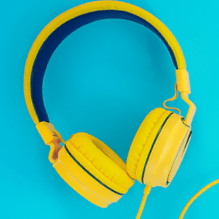
  • Use headphones instead of earbuds. With earbuds, you pick up background noise, which often leads to turning up the volume on the PMP to hear the audio better. Headphones that surround the ear keep the background noise to a minimum, allowing you to leave the volume at or below 60 percent. Even better, invest in noise-canceling headphones.
  • If you must use earbuds, make them in-ear earbuds. With these earbuds, the earpiece sits inside the ear canal, rather than just outside it. The sleeve around the speaker blocks out background noise and keeps your audio from escaping the ear canal.
  • Use the sound limiter built into the PMP. Many devices allow you to limit how loud the volume goes, or the device has a built-in alert telling you you’re risking hearing damage by pushing the volume higher.
  • For kids, get volume-limiting headphones. Though there are many child-friendly options for headphones that will keep the volume from going over 85, it’s best to read up on whichever pair you choose to buy. Research by Wirecutter found that, of more than 30 brands tested, almost half were not effective at keeping the volume below 85 dB.

Osteoporosis May Nearly Double Risk of Sudden Hearing Loss
No Bones About It: Osteoporosis May Nearly Double Risk of Sudden Hearing Loss

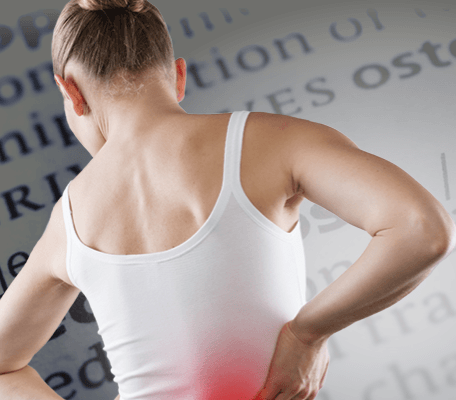
What does osteoporosis, a potentially debilitating disease affecting some 10 million Americans and 2 million Canadians, have in common with conditions such as heart disease, diabetes, chronic kidney disease, dementia, and other selected conditions? It can go hand in hand with hearing loss.

More specifically, at least one study links osteoporosis to a nearly doubled risk of sudden sensorineural hearing loss, a disease that can touch people of all ages around the globe but primarily affects those in their 50s and 60s.

What Is Osteoporosis?

Osteoporosis is a disease characterized by weakened bones that are more vulnerable to breakage. It occurs when the normal process of old bone being replaced by new bone slows down, putting the person at greater risk of serious problems such as hip, wrist, and spine fractures.

Though some osteoporosis risk factors such as gender, age, race, and family history can’t be helped, a few preventive tactics can make a difference in keeping bones healthy, strong, and more resistant to becoming fragile, weak, and brittle:

  • Avoid tobacco use and excess drinking.
  • Adopt a regular exercise regimen approved by your doctor.
  • Maintain a healthy body weight, steering clear of too few or too many calories.
  • Eat healthfully, being sure to include protein, calcium, vitamin D, and other nutrients in your diet.

Does Osteoporosis Cause Sudden Hearing Loss?

Scientists aren’t necessarily ready to say that osteoporosis actually causes sudden sensorineural hearing loss, but studies have long reported a relationship between the two. More recently, researchers in Taiwan sought to quantify the risk of sudden hearing loss in osteoporotic patients. They published their results in the June 2015 edition of The Journal of Clinical Endocrinology & Metabolism.

The investigators, who studied a random representative sample of 1 million participants in Taiwan’s National Health Insurance program, found that those with osteoporosis had a 1.76-fold risk of experiencing sudden sensorineural hearing loss. Patients at seemingly greatest risk: adults 50 and older, women, and — possibly — those with hypertension and osteoporosis.

QUICK FACTS ABOUT SUDDEN SENSORINEURAL HEARING LOSS

  • Relatively common and typically referred to as “sudden deafness” or “SSHL”
  • Involves rapid hearing loss in an instant or over several days
  • Usually develops in one ear rather than both
  • May occur together with dizziness or ringing in the ears
  • Requires immediate help for greatest effectiveness of treatment
  • Common treatment includes steroid therapy, but some cases resolve on their own
  • Often has unknown cause, but common culprits include head injury, ototoxic drugs, infectious disease, circulation problems, thyroid disorders, and other selected conditions

What Can You Do?

Take good care of your bones — and your ears. A causal relationship between osteoporosis and sudden sensorineural hearing loss might not yet be conclusive, but one thing is clear: If you or a loved one has osteoporosis or is experiencing listening difficulties, it’s important to get a hearing check.

So don’t wait. To stay atop your hearing health and help catch any potential changes or problems early, contact us to schedule a hearing evaluation today. Our caring team is here to help with all your listening needs!