Assistant avatar
Need help?
I'm available 24/7 to help with your hearing and tinnitus needs.

Hearing Aids

These Aren’t Your Grandfather’s Hearing Aids

6 Exciting Innovations in Today’s Hearing Aids

Get Ready for the Future of Hearing

According to the CDC, in the United States alone, 7.1% of the population aged 45 and over use hearing aids. That’s almost 24 million people on the receiving end of some seriously futuristic options to help tackle their hearing loss. It’s mind-blowing to see the latest strides hearing aid technology has taken. People will be experiencing sound like never before, so don’t miss out!


Don’t Miss a Moment of Better Hearing

Typically, folks wait as long as possible before getting a new hearing aid. The old one stops functioning properly before they even make an appointment to upgrade! This time around, you may not want to wait — these tantalizing innovations may tempt you into an early upgrade.

Hearing aid technology runs the gamut from basic to advanced, but even basic technology models are rapidly improving and providing even more new benefits to wearers than ever before. Here is a list of just some of the sparkling new hearing aid options.


Hearing Aids With Bluetooth Technology

Look around you. Chances are if there’s an electronic device at hand, it uses Bluetooth technology. Bluetooth can be found in our phones, cars, portable speakers, computers, and even in our refrigerators — why not in our hearing aids?

Today’s Bluetooth hearing aids can connect to devices like smartphones, laptops, televisions, and more. You can play audio directly from your devices — such as a workout playlist, your favorite movie or TV show, or a simple phone call — directly through your hearing aid’s speakers.

The use of hearing aids is more prevalent in adults over the age of 45, and that can go hand in hand with loss of dexterity as we age. The tiny buttons on hearing aids and remote-control accessories are just not ideal for many hearing aid wearers. With Bluetooth, you can control them with an app from whichever personal device you choose — perhaps one that’s already practically attached to your hand (cell phone, anyone?).

These are some of the most helpful benefits to using hearing aids with Bluetooth technology:


Advanced Sound Quality

If a high-quality hearing experience is what you’re after, Bluetooth technology is the way to go. With Bluetooth, sound is sent consistently and steadily, directly to the ears. Unwanted noise and sounds are diminished, and feedback is minimized.


Hearing More Clearly

More communication is always better — what if your two hearing aids could talk to each other? Bluetooth technology is a huge win for people who wear hearing aids in both ears. Hearing aids that communicate with each other (via Bluetooth) can more properly balance and control sound. The result? More clarity of sound.


Simpler Customization

Your hearing needs are as unique as you are. A variety of customizable options are featured and available in most Bluetooth hearing aids for maximum personalization. These are options that the user can control without having to visit their audiologist. Adjustments to volume or sound frequency can be made to these hearing aids remotely.


Remote Control

Hearing aids that are Bluetooth compatible can be accessed from a phone, a tablet, or any other connected devices. The apps accompanying your connected device can be used to very simply change programs or adjust settings, rendering those tiny buttons you remember on your hearing aids obsolete. No more fiddling with your hearing aid buttons in the dark — just light up your phone and head straight to the app!

From language translation to reduced background noise, Bluetooth hearing aids have too many benefits to count.


Hearing Aids With Rechargeable Batteries

No battery? No problem! Say goodbye to the days of your hearing aid’s batteries running out of power at the most inconvenient times. Lithium-ion technology has changed all that.

When you go to sleep at night, you probably have a cord waiting by the bed to charge your phone overnight. Now you can put your hearing aid’s charging cord right next to your phone’s and sleep soundly, knowing you’ll wake up to fully recharged hearing aids ready to face the day with you.

If you establish a charging routine with your rechargeable hearing aids, you put yourself on the path to having the most carefree hearing-improvement experience possible.

Some exciting benefits to rechargeable hearing aids:

  • Simplify: If you have vision difficulties, you’ll find plugging your hearing aids in to charge to be a much simpler action than fiddling with tiny batteries.
  • Save: There’s no need to constantly buy batteries. The electricity pulled by a tiny hearing aid adds much less to your electrical bill than the cost of batteries.
  • Endure: There is no tiny battery door and no need to open the device. This makes for a much smaller chance of damage to the device or the battery.
  • Outlast: Longer battery life is yours. Your hearing aid will likely use lithium-ion batteries, which last for years before replacement is necessary.
  • Preserve: Rechargeable hearing aids are an eco-friendly choice. With no need to dispose of batteries regularly, rechargeable hearing aids may have a smaller footprint on the environment.
  • Protect: Kids and pets have us living in a world full of choking and insertion hazards.  Not having loose, tiny batteries laying around diminishes the chance that a child or animal will swallow one or try to put them in their nose or ears.

Emergency Alert Feature

I’ve fallen and I can’t get up!

New hearing aids are saving lives, and not just through improving hearing, which can be lifesaving in many other ways.

The CDC states that, “Each year, millions of older people — those 65 and older — fall. In fact, more than one out of four older people falls each year.”

Some hearing aids can now detect when you fall and will automatically generate and send a message to your emergency contact. It will alert your loved one that you might have taken a spill and should be checked on immediately.


AI & Hearing Aids

Imagine: Hearing aids that learn from your actions and make adjustments like a person would — artificial intelligence (AI) is astounding. AI is the power of machines to simulate the intelligence of a real-life person.

What do AI-powered electronics do best? They learn. It’s almost unsettling the way they can learn everything about you and anticipate your wants, your needs, and your likes and dislikes.

How does this apply to your hearing loss treatment? It is now possible for hearing aids to adapt precisely to your needs. AI applied to your hearing aids isn’t unsettling, though, as you’ll discover once your hearing aids are experiencing constant, automatic, personalized adjustments that get better and better.

Regarding the new AI-powered hearing aids, WINK News, out of Fort Myers, Texas, explained, “Every setting has different sound dynamics. Whether you’re in a workspace, a car, or outdoors, there are noises you want to tune out in order to hear better. AI devices are smart enough to cut through the clutter.”


Built-In Tinnitus Care

Certain innovations have been around for a while, and are well-known by professionals, but patients may have not known about them — for instance, tinnitus care via a hearing aid.

Looking for relief from the noise(s) in your ears or head? Some new hearing aids are equipped with tinnitus features. The American Tinnitus Association documented that, “Hearing aids can augment the volume of external noise to the point that it covers (masks) the sound of tinnitus. This makes it more difficult to consciously perceive tinnitus and helps the brain focus on outside, ambient noises. The masking impact of hearing aids is particularly strong for patients who have hearing loss in the same frequency range as their tinnitus.”

Treat your tinnitus at the source; hearing aids with tinnitus functions can handle it.  Through the amplification of background sounds, tinnitus symptoms can be managed, and you can go back to focusing on what’s important.


Telecoil

Another awesome piece of tech that audiologists know backwards and forwards, but patients may not know about, is telecoil technology. Also called a “T-coil” or “T-switch,” this feature will have you touching your hearing aid and saying, “Beam me up!”

The telecoil is a small induction pick-up coil that can be placed inside of a hearing aid. When you choose to use this option, the telecoil allows your hearing aid to pick up the signal from your phone or any public venue fitted with an assistive listening system called a hearing loop.

According to Let’s Loop Seattle, a public education and access advocacy campaign launched by the Hearing Loss Association of Washington, “The telecoil can connect you to assistive listening systems in theatres, airports, houses of worship, and thousands of other public spaces. Better still, a telecoil connects you to a hearing loop without the need for additional Assistive Listening Device (ALD) equipment — you simply switch your aid or CI to telecoil mode (or T mode). Telecoils can also connect you to your home loop or TV loop.”

The future is now, folks, and your hearing loss care will be all the better for it. Contact us today to schedule a hearing consultation and tech demo!

6 Hearing Trends for 2023

Keep Your Eye on These in the New Year

As an exciting new year nears, what can you expect in the world of hearing wellness? We’re taking a look at six trends to keep your eye on for 2023 and beyond.

1. Rechargeables

Aah, the convenience of rechargeability:

  • Less waste
  • Easy charge-and-go convenience
  • No fussing with spent disposable batteries that require removal and replacement

With an increasing number of hearing aid manufacturers offering rechargeable options for devices, it’s just a matter of time before they become the default. True, the smallest hearing aids that fit completely in the ear may not yet be widely available in rechargeable styles, but stay tuned. A breakthrough could be just around the corner!

2. Telehealth

The unprecedented global public-health challenges over the last couple years have called for adaption and innovation. An example: The rise of telehealth or video-based patient-provider appointments. Though not unheard of before the pandemic, telehealth rose in prominence as digital companies and others stepped up with apps and improved platforms to help keep health care accessible amid lockdowns, quarantines, and distancing.

One federal study of Medicare health care access showed a significant increase in patient telehealth participation during the pandemic — from an estimated 840,000 in 2019 to over 52 million in 2020. Overall, telehealth use has jumped 38-fold from pre-COVID rates. And with consumers and the industry embracing it even more as an additional option for effective patient-provider engagement, it’s here to stay.

3. OTCs

You may have heard about over-the-counter (OTC) hearing technology, a new class of devices in the U.S. regulated by the Federal Drug Administration and approved for those 18 and older with perceived mild to moderate hearing loss. OTCs are expected to soon join the market, representing a new option for some consumers exploring their hearing-health needs.

The good news? OTCs could spur more people to consider seeking help for hearing loss — a growing global problem expected to impact some 700 million children and adults by 2050. However, self-treating for hearing issues rather than seeking help from licensed hearing care professionals can lead to under- or overtreatment, making it important to get a comprehensive evaluation before deciding on solutions.

4. Noise-Induced Hearing Loss

Speaking of a growing global problem: Excess noise is one of the culprits behind an increasing risk of hearing loss among people ranging from preteens to mid-30s. Why? Popular activities such as using personal media players, hitting the club, enjoying a game at the sports arena, and rocking out at concerts can be lots of fun while also being hard on the ears — especially at noise levels beyond the danger threshold of 85 decibels.

Noise exposure is one of the most preventable causes of hearing loss. A few simple steps can help keep this harmful trend from gaining any more stream:

  • Limiting the amount of time exposed to loud sounds
  • Wearing quality hearing protection customized to your ears
  • Turning the volume down on personal audio devices
  • Staying atop your hearing health with annual evaluations

5. Connectivity

Whether streaming TV audio, jazz tunes, telephone calls, or your favorite morning-show radio duo, being able to channel sounds right to your hearing aids is pretty terrific. Essentially acting as headphones, the hearing devices make it easy to lean into the sounds you love — wirelessly. Plus, compatible apps make it a cinch to control your hearing technology right from your smartphone.

But let’s talk about the next level of connectivity. Imagine, for example, being able to directly surf the web, control access to your home, get instant ambient-temperature information, or turn off an appliance with your hearing device. Though these possibilities may not happen in the immediate future, the world of hearing-technology connectivity is always expanding to exciting new heights.

6. Artificial Intelligence

Netflix suggests movies you might love. Your household thermostat chooses a comfy temperature, without even needing to be programmed. Your smartphone accurately finishes your sentences before you’ve typed the words. Machine learning, a category of artificial intelligence (AI), is becoming the norm of everyday life, and we’re here for the ways it can support your health.

AI will increasingly play a role in hearing aid functionality, contributing to greater convenience and empowerment for users. One line of hearing aids already can track brain and body health, detect falls, and translate other languages in real time to help bust communication barriers. Look for even more AI capabilities as technology continues to evolve.


Hearing technology is always progressing to help you stay healthy, engaged, and connected with the people and activities that matter in your life. We’d love to show you the latest innovations, so don’t wait. Contact our caring team to schedule a test-drive today.

6 Ways to Keep Your Hearing Aids in Their Best Shape

Does hearing technology call for ongoing professional upkeep? Can I handle any needed maintenance at home? How can I tell whether my devices are damaged? Where can I take them for replacement or repair?

Much like today’s tablets and cellphones, hearing aids are powered by complex technology that may require professional attention in certain circumstances, but a little DIY maintenance can go a long way in keeping your devices in top shape.

Self-care of your hearing aids is an important part of keeping them performing their best, and periodic clean and checks with our caring professionals help identify and address any damage or other problems that might otherwise be harder to spot. Read on for six simple tips to maximize your tech’s longevity.

    1. Keep ‘Em Dry and Sanitized
      Water is kryptonite to hearing aids, so remember to remove them before showering or swimming, and use a hearing aid dryer or dehumidifier not only to reduce moisture but to sanitize your technology at the same time.


    1. Wipe Off the Wax
      Earwax (also called “cerumen”) naturally accumulates in the ear and on your hearing aid, but gently wiping your devices each night with a soft, dry cloth and clearing any crevices with the provided brush will make quick work of the buildup.


    1. Avoid Extreme Temperatures
      It’s no surprise that storing your devices in excess heat — leaving them in a hot car, for example — can cause damage, but did you know that cold and wind can be a problem, too? Protect your hearing aids from spring chills by wearing a hat, scarf, or earmuffs.


    1. Check the Batteries
      Batteries typically can last from a few days to a couple of weeks depending on the technology, usage, and other factors, but a constantly beeping hearing aid may mean the batteries need changing. Always keep spares on hand — or consider rechargeable hearing aids — and remember to remove and store batteries at room temperature apart from your devices when not wearing them.


    1. Replace the Wax Guard
      If your technology isn’t functioning properly even with fresh batteries, it may be time to change the wax guard — which helps protect against the damaging accumulation of wax, skin particles, and debris. Put your hearing aid’s wax guard on a monthly change schedule.


  1. Skip the Pockets
    Pockets seem naturally convenient for carrying loose hearing aids and batteries while on the go, but not so fast! Keep your devices in their case to avoid losing or getting debris on them, and place batteries where they won’t come into contact with keys, coins, and other metals, which can cause battery discharge and other problems.

If you have questions about hearing aid maintenance, please let us know. And don’t forget to schedule your devices for a professional clean and check at least once every six months. We’re here to help!

Summer Noise: 4 Ways Your Hearing Aids Can Help

Turn Up Summer Fun With Hearing Aids

People don’t often think “Fun!” when they think of hearing aids. But today’s hearing aids are designed to meet your needs no matter what’s going on. Let’s check out a few ways your hearing aids can actually enhance your fun this summer.

Enjoy Group Conversations Outdoors

Most hearing aids today have a set of built-in capabilities ideal for highlighting speech in conversations. Directional microphones are designed to focus on whatever you’re facing. This is because you usually speak to someone in front of you. Some models of directional microphones do switch positions based on speech and sound cues.

Today’s hearing aids also do a very good job filtering out background noise. You can devote your energy to your conversation, not on cutting through clatter. It’s also becoming more and more feasible to use your smartphone as a microphone. For example: You place your smartphone on the picnic table, it picks up what everyone is saying, and it streams the audio to your hearing devices. It’s almost like you’re wearing conversation-enhancing headphones!

Muzzle Fireworks

Many of today’s digital hearing aids have a function called transient-noise suppression, impulse-noise reduction, or something similar. It’s a fancy way of saying that the hearing aid will lower the volume of sudden, brief noises — like dishes being dropped. You can still enjoy fireworks, but at a safe listening level. Check your hearing aid’s instructions, or check with your provider to find out if you have this functionality.

Change Settings Automatically

Many hearing aids now use a smartphone app. From controlling the volume to nudging the settings on your hearing aids, you can do a lot by utilizing these apps. One exciting capability is geotagging, or assigning a geographical “bookmark” to your favorite spots. Simply optimize your hearing aids for a location (for example, a park, baseball diamond, or your favorite restaurant), and apply a geotag. When you return to that spot, your settings will switch automatically!

Banish Wind Noise

Hearing aid microphones are placed just outside your ear canal or behind your ear. This means they may pick up a lot of wind noise. But ReSound has developed a breakthrough with the ReSound ONE device, which allows an extra microphone to be placed inside your ear canal, where the wind can’t reach it.

Contact us today to learn more about the built-in ways your hearing aids can boost your summer fun!

Q&A: Upgrading Your Hearing Aids

Q: How often should I update my hearing devices?

A: That’s a good question we’ve addressed with many patients and their loved ones. The short answer is that a hearing device should typically be replaced about every three to six years or so.

Really, however, the answer is a bit more involved. Several factors may figure into whether it’s time to update your hearing instruments. They include:

  • Level and sophistication of the hearing technology
  • Quality of upkeep and maintenance throughout use
  • Potential changes in your hearing ability or listening lifestyle
  • Condition and performance of your existing hearing devices

Here are five potential signs you need fresh hearing technology:

Device Malfunctioning

You do all the recommended maintenance, but things still aren’t right: Replaced batteries drain quickly; sound is still muffled after you change wax guards. The occasional repair is one thing, but regular malfunctions mean it’s time to replace your devices.

Hearing Level Has Changed

Your hearing changes over time because of age, loud sounds, or other health issues. Often we can adjust your programming to meet your new needs, but sometimes your hearing changes so much that you require a different level of technology.

Often we can adjust your programming to meet your new needs, but sometimes your hearing changes so much that you require a different level of technology.

Repairs Seem Costly

With older devices, the parts are often scarce or the model is discontinued. Sometimes repairing your devices costs enough that it makes more sense to replace them with new hearing aids.

Technology Evolving

Devices have advanced significantly — with better filtering of background noise, rechargeability without the hassle of disposable batteries, tinnitus management, wireless streaming from smartphones and other audio sources, and even fall detection and built-in translation capabilities, depending on the device.

New Interests or Environments   

When your lifestyle changes, your tech might need to also. Took up a sport? You’ll probably need moisture resistance. Switched from an office job to a gig outdoors? You’ll likely experience a different  noise level now.

Hearing your best is more critical than ever in our changing world — with in-person and virtual communication both playing important roles in today’s new normal. If you think it might be time to update your hearing devices, please don’t wait. Contact us today to get your questions answered or to schedule a consultation and tech demo. We’re HEAR to help!

The Importance of Dedicated Hearing Care
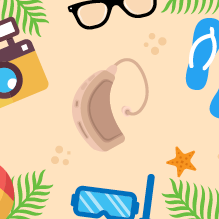
The real differences between audiology and over-the-counter solutions

In July, President Biden signed an executive order allowing hearing aids to be sold over the counter. This measure is aimed at lowering the cost of hearing care, and at a glance, it seems like a great way to ensure that everyone who needs hearing care is covered. But can OTC products ever compete with the knowledge and expertise of a specialist? Because you deserve the best hearing care available, here are six reasons to make an appointment with an audiologist.


1. Expertise

Both audiologists and hearing aid specialists are licensed to sell hearing aids, but audiologists possess master’s or doctorate degrees that concentrate on hearing health. Because individuals develop hearing loss in a variety of ways and have unique communication needs, accurately diagnosing hearing loss and selecting the right hearing aids will ensure successful treatment.


2. Fit

To maximize comfort and functionality, hearing aids must be custom fitted to each individual and programmed to support their listening lifestyle. Only a trained audiologist or hearing aid specialist can do this. Additionally, audiologists can monitor your progress over time and make adjustments when necessary. Wearing hearing technology is not a “once and done” solution; it takes time for the body and mind to adjust, and there may be a period of discomfort that requires professional support.


3. Patient-Provider Relationship

Hearing loss is a complex condition. It has many different causes, from simple age-related decline to disorders such as Ménière’s disease to exposure to ototoxic chemicals. There are also many comorbidities associated with hearing loss. An audiologist can diagnose and treat many of these, forming a long-lasting relationship with you that goes beyond simply fitting you with hearing aids.


4. Tinnitus and Balance Support

Hearing loss often occurs alongside tinnitus, which is a persistent ringing, buzzing, or clicking sound in the ear. While the condition is still being researched and is not yet fully understood, what we know about tinnitus so far falls under the expertise of audiologists. And because the inner ear governs the body’s equilibrium, balance issues are often diagnosed and treated by audiologists as well. Providing support for these conditions is part of our commitment to our patients’ total hearing health.


5. Safety

Aside from achieving a better fit and receiving professional support from an audiologist, there is evidence that programming your own hearing technology or choosing a one-size-fits-all solution can actually be harmful. An audiologist will perform a series of tests to assess your hearing loss and ensure your hearing aids meet your needs without being too loud. Hearing technology that amplifies sound too much can further damage your hearing, and an ill-fitting hearing aid can create uncomfortable wax buildup, which may lead to ear infections.


6. Investment

While purchasing an OTC hearing aid may provide considerable savings on upfront costs, seeking treatment through a licensed audiologist is a better investment. From warranty protection to professional cleanings and advice on upgrades, nothing compares to our guarantee of quality. We also know hearing aids can be expensive, so we always do our best to provide affordable solutions, including coupons, specials, and financing options. Once you’ve purchased your hearing aids, your treatment plan is put into effect – we will be with you every step of the way in your journey to better hearing and better health.


Whether you are a longtime user of hearing aids or considering them for the first time, there is no better decision you can make for your hearing health than choosing an audiologist run practice to provide you with a professional evaluation. It’s the right choice for you to be sure that you’re pursuing the very best solution for your hearing loss.


The Best Hearing Health Accessories for Children

Most people associate hearing loss only with seniors, and they consider it a natural part of getting older. The reality is that it affects people of all ages. According to the World Health Organization, an estimated 34 million children live with a disabling hearing loss, and approximately 60% of cases are linked to preventable causes.


With that in mind, let’s take a look at the best hearing health accessories for children!


Earplugs

The best defense against damaging sound is always going to be ear protection. Whether it’s because of loud music, noisy vehicles, or the use of power tools around the house, reducing exposure to high-decibel sounds is the best way to prevent sudden-onset hearing loss or the exacerbation of existing hearing loss. Custom-fitted earplugs are a comfortable and convenient solution, and normalizing their use at a young age instills good hearing care habits.


BTE Hearing Aids

For a child who already has hearing loss, behind-the-ear (BTE) hearing aids are widely considered the best, style-wise. BTE aids are comfortable and durable, and many come in a variety of fun colors. Children as young as four weeks old can be fitted with a BTE aid, so they are ideal for infants born with hearing loss, and they remain the ideal hearing technology until the teenage years!


Hearing Assistive Technology

Also known as HATS, these systems are often used in conjunction with hearing aids to help a child with hearing loss hear better in the classroom. Frequency modulation systems, or FM systems, are the most common, but sound-field systems may also be used (and can help children with normal hearing as well). To inquire about implementing hearing assistive technology in the classroom, speak to the administration at your child’s school.


Hearing Aid Charms

One of the best ways to get kids excited about their technology is to turn it into something fun that expresses their individuality. There are many charms, stickers, and tube twists that can be purchased both from licensed hearing aid manufacturers and from third parties. You can customize hearing aids and truly make them part of your child’s outfit and personality. A child’s only limitation is their imagination!


Ear Suspenders

Wearing hearing aids is more challenging for children than for adults, since children are so active and can easily lose small objects. Ear suspenders are a type of stretchy headband designed to hold hearing aids firmly in place during nearly every activity. They are superior to shirt clips in that they prevent the devices from falling out. It’s a comfortable, practical solution to your child’s rambunctious lifestyle. Plus, they’re fashionable!


Caring for a child with hearing loss can be challenging, but you’re not alone. For more information about these products or to schedule a hearing consultation with our team, contact us today. We’re here to help!


New Year, New Hearing, New You

5 Tips for Hearing Better in 2022

Your world is filled with sound — sounds you don’t want to miss. There’s your grandchild’s virtual piano recital, your favorite sci-fi marathon, or a phone conversation with an old friend. As the new year nears, refresh your connections to the people and moments that matter with these six simple tips for better hearing.


1. Tap Into Technology

Today’s technology can turn any alerting sound into a visual or vibratory cue, allowing doorbells, smoke alarms, and more to alert you with flashing lights or vibrations. Smartphones can stream audio directly to hearing aids and can also caption videos or flash visual alerts for incoming calls. Another innovation: We now have hearing aid technology that can translate other languages.


2. Get in the Loop

Did you know your favorite public places — museums, theaters, churches, and more — may have a hearing loop installed around their venues, letting you receive enhanced audio by wirelessly connecting through the T-coil setting on your hearing aid? Look for the hearing-loop logo at participating sites.


3. Protect Your Assets

Some 466 million people worldwide, including 34 million children, have hearing loss, and excess noise is one of the most preventable causes. Whether you’re enjoying New Year fireworks, hunting with firearms, riding snowmobiles, or otherwise encountering loud sounds, look out for your hearing health by limiting your exposure and wearing quality hearing protection.


4. Work It Out

It’s no secret that obesity can put you at risk for strokes, heart disease, diabetes, and other serious health problems, but did you know it’s linked to hearing loss, too? Resolving to get even healthier and more fit in 2022 will help reduce the risk of excess weight, a problem that can tax your hearing and affect total health.


5. Schedule a Hearing Check

It’s easy to make better hearing a family affair by scheduling hearing evaluations for the whole household. How often? At least once a year, just as you would for your eyes or teeth. Staying on top of your hearing health helps catch any potential changes or problems early, which is important for overall wellness.


We’re here to help you and your loved ones hear your best! Contact us today for more tips on hearing better in the new year.


Hearing Care 101 – The Importance of Your Follow-Up Appointment

Hearing Care 101 – The Follow-Up Appointment

Q: I have a hearing aid follow-up appointment soon. What can I expect?

A: Better hearing is a journey, not a moment. Your hearing aid follow-up appointment is an important part of that journey. The more prepared you are for the follow-up, the more you’ll get out of it. Let’s take a look.


The Preparation

As much as you can between now and your follow-up, make note of how well you’re doing with your hearing aids. In what situations are you enjoying them? Which environments are challenging? Which important voices in your life still aren’t clear? Are the battery doors causing you trouble? Do they feel tight or loose in your ear? Bring your notes — and any questions you have — to your appointment.

The Conversation

This is the crux of the follow-up. Your provider will ask you questions, and vice versa. The more feedback you can offer, the better your provider can help. Every environment that gives you a challenge tells your provider valuable information about your hearing aid settings. Same with every loved one’s voice that still isn’t quite right.

But the more emotional or psychological components are key too. Your provider will want you to describe your overall impression of the hearing aids, such as what you like and don’t like, which expectations were exceeded, and which went unmet. This, too, tells your provider more than you might realize. There’s no such thing as too much feedback at a follow-up appointment!

The Refresher

You learned a lot in your evaluation and fitting appointments. Part of your follow-up appointment will be devoted to reviewing the care and maintenance of your devices. You’ll also probably get a refresher on which programs do what, how to access them, and how to use the smartphone app (if applicable).

The Adjustments

Your provider will use everything gathered in your feedback to make adjustments to your devices. This could include adding additional programs, fine-tuning existing ones, or providing you with different domes or tubing.

If some of your feedback suggests your ears and brain are having trouble working together after years of hearing loss, you might be assigned exercises to help establish a stronger ear-brain relationship. It’s a lot like physical therapy after an injury. But in this case, it will most likely be tasks done on your computer at home.

The Next Step

Your provider will probably schedule another follow-up for a couple of weeks out.

The more adjustments made or exercises assigned, the sooner it may be. Your provider wants to catch issues as soon as possible. They want you to thrive on your better-hearing journey just as much as you do!

Tech Inclusivity Is Growing, and We Love It

Every year, the Consumer Electronics Show (CES) creates quite a stir with innovative new products and a window into potential trends. This year, the trade show — all digital for the first time in its 54-year history — leaned even more into inclusive tech, which helps everyone participate more in life.

Why does it matter? It’s all about accessibility, which is a big part of why we’re in the hearing care business. Better hearing helps people access more of what matters in their lives. For example, it:

  • Helps keep connections to loved ones strong
  • Reduces the risk of social withdrawal or isolation
  • Goes hand in hand with better physical and mental health
  • Supports workplace success and earning power
  • Plays a role in staying safe and alert

Some of the inclusive tech at CES 2021:

  • Smartphone apps such as HeardThat, which reportedly works in tandem with hearing aids to separate speech from noise; Aware, which may help those who are blind or with low vision navigate public spaces; and Sravi, which uses video, a word bank, and artificial intelligence to interpret lip movements.
  • The Nobi fall-detection lamp that not only can sense a fall — which is an especial risk for older adults and those with hearing loss — but can also send an alert for assistance and even help prevent slips in the first place through active tracking and reminders.
  • The Mantis Q40, a QWERTY-based Bluetooth keyboard that contains a refreshable braille display and works with compatible screen readers, making it easier for people who are blind or have limited vision to participate in the classroom and other activities without needing a separate braille device.
  • The Oticon More™ hearing aid, a groundbreaking rechargeable device designed to work more like your own brain does, so it can make better use of sound, require less effort to listen, and let you remember more of what’s being said.

This dovetails with our own focus on inclusive tech, including providing solutions that combine smart innovations with customized care to help you hear your best. Today’s hearing technology even includes options such as:

  • Fall detection and alerts
  • Language translation
  • Remote adjustments
  • Wireless streaming
  • Automated geotagged settings
  • Fitness-tracking for brain and body health
  • And so much more

Technology has come a long way to help you live a more empowered life, and the innovations will only improve. Want a closer look at what today’s modern tech can do for your hearing health and access to the world around you? Don’t wait. Contact our caring team to schedule a hearing evaluation and personalized demo now!