Assistant avatar
Need help?
I'm available 24/7 to help with your hearing and tinnitus needs.

Hearing Aids

Why Do I Need a Hearing Aid Fitting Appointment?

Q: What can I expect at my hearing aid fitting?


A: Hearing aids are wonderful, sophisticated devices. But better hearing is a journey, not a transaction. That’s why we bring you into the office and spend some time with you answering questions and demonstrating features. Let me walk you through what the typical fitting looks like.


Making Sure Your New Hearing Aids Fit
Before anything else can happen, you have to pull your devices out of the box and slide them in your ears to ensure they fit you. If not, your audiologist will have to exchange them for ones that do, which most likely means returning for another fitting appointment.

Programming Your Devices and Verifying They Meet Your Specific Needs
If everything fits, your audiologist will program your hearing aids with fitting software. They’ll base the programming on your audiogram, which was developed at your hearing evaluation. Your audiogram indicates:

  • The sound frequencies that need to be amplified, and by how much
  • The sound frequencies that you can hear just fine
  • The sound frequencies that can remain loud but might need to be adjusted to minimize your discomfort

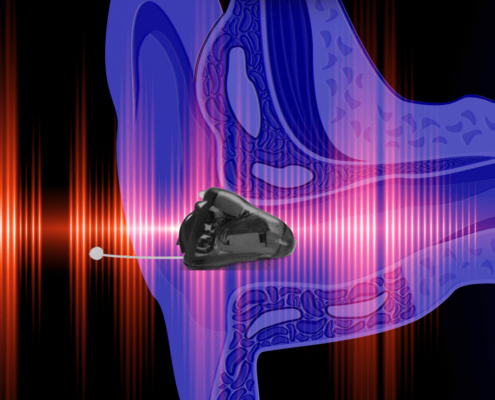
Once programmed, if your audiologist is using best practices, they’ll follow up with real-ear measurement. With this process, a slim tube microphone rests in your ear along with your hearing aid. Different sounds are played, and your audiologist can confirm for each whether the volume reaching your eardrum is the correct amount based on your audiogram.

This is where you first experience the benefits of your hearing aids. Especially for those who have a loved one with them at the appointment, this can be an emotional and profound moment.

Learning About Features and Maintenance
Hearing aid developers make sure today’s hearing aids are as user-friendly as possible. But you still need to learn the basics, so by the time you leave your fitting appointment, you’ll know:

  • How to change and dispose of batteries. If your hearing aids are rechargeable, you’ll learn the features of the charging station.
  • How to change programs, adjust volume, or make any other adjustments that aren’t automated.
  • How to clean and maintain your hearing aids.
  • How basic features work, such as connecting via T-coil to a looping system.
  • How advanced features work, such as streaming audio from your smartphone directly to your hearing aids.
  • How to use remote controls and other accessories.

You’ll also get an instruction guides, cleaning tools, a storage case, and a supply of batteries (or a charging station).

Understanding What’s Ahead
Today’s hearing aids are technologically sophisticated and easy to use, but they’re not a grab-n-go solution. Your brain is, in a sense, out of practice. All of a sudden, it has to make sense of sounds it hasn’t heard in a long time.

That’s why there is an adjustment period. Your audiologist will discuss this in more detail, so you know what to expect and don’t get discouraged. They’ll also give you a wearing schedule for the first few weeks, so you don’t overdo it. Easing you into this new world of sound is the best way to ensure success.

Scheduling the First Follow-Up Appointment
A skilled audiologist and advanced fitting software do a lot of the heavy lifting, but it all happens in the controlled environment of a clinic. As you live your life, you’ll enjoy the benefits of better hearing. But you’ll also notice ways your devices could help more, especially in noisy environments.

That’s why you’ll schedule a follow-up appointment. Your audiologist expects you to have feedback on how to improve your listening experience. You’ll also no doubt have questions you’ve thought of since the fitting appointment.

Your Hearing Care Partner
Don’t be shy. Speak up with any worries or questions. Your audiologist’s main concern is you hearing better. They’ve no doubt allotted 90 minutes to two hours for this appointment — they want you to leave the fitting appointment feeling confident and excited about the possibilities. Think of them as a knowledgeable partner eager to help you on your better-hearing journey!

Q&A: Live Speech Mapping – 3 Things You Should Know

Q: What is live speech mapping, and how can it help me?

A: Excellent question! Live speech mapping is a mechanism for fine‑tuning hearing aids to the specific pitch and volume of your loved one’s voice and other important sounds. The procedure has been around a while, but many people have likely never heard of it. Let’s take a closer look at three things: who might need live speech mapping, how it works, and why it matters.


WHO MIGHT BENEFIT

Hearing technology has made a world of difference in helping people of all ages communicate their best, but some patients who use hearing devices might still experience difficulty understanding the one voice that matters most to them — typically a spouse or other close relation. In our experience, many people in that situation have found that live speech mapping improves their ability to understand critical speech.

HOW IT WORKS

During the mapping process, a skinny tube with a tiny probe microphone is placed in your ear canal along with the hearing device — don’t worry, it’s painless! Your spouse or another familiar voice that you want to hear then reads a paragraph aloud. The microphone allows us to precisely measure:

  • The sounds your hearing aids are producing at your eardrum
  • The way your device’s current settings are processing speech

We then see on the computer monitor exactly where the speech is falling within your audible range and can adjust your devices accordingly.

WHY IT MATTERS

Maximizing your hearing devices involves tailoring them to your specific listening needs. Live speech mapping can play an important role in that, helping you more clearly perceive and understand the critical voices in your everyday life. As a practice committed to empowered communication, helping you hear on your terms is important to us. We want you to hear your best so you can live your best.
If you haven’t experienced live speech mapping and want to hear your loved one better, we highly recommend a visit to see how this valuable diagnostic procedure might support your listening goals. So don’t wait. Contact our caring team today. We’re here to help!

Q&A: Water and Hearing Aids | 6 Tips to Keep Hearing Devices Dry

Q&A: Water and Hearing Aids

Q: Are my hearing aids really kaput if they get wet?

A: If you only knew how often we get this important question. As powerful as they are, hearing aids — like all electronics — have a couple of Achilles’ heels, and one of them is water. The moisture could come from a swimming pool, a shower, or even the sweat from working out or soaking up a hot summer day, but it all comes down to this: Wetness can permanently put your hearing aids out of commission.


Of course there’s always the potential miracle — who hasn’t heard the occasional story of a friend or loved one accidentally putting their hearing technology, personal music player, smartphone, or other treasured device through the washing machine only to have it continue working without seemingly skipping a beat? That’s some rare luck, however, so it’s important to stick to prevention.

Here are six ways to help keep wetness away from your hearing aids:

    1. Avoid Moisture Altogether
      Remember to take your devices out of your ears before showering, hitting the pool, or getting into the hot tub, and be sure to store them in their own secure case rather than loose in a pocket or purse.


    1. Wipe Them Down
      Wiping your devices daily with a clean, dry cloth helps clear moisture and debris and helps reduce the risk of damage.


    1. Stay Vigilant
      Water-resistant hearing aids aren’t waterproof, so keep these types of devices out of the shower, pool, and hot tub, too. Otherwise, they can get damaged when immersed.


    1. Use Hearing Aid Covers
      These handy helpers can aid in protecting your devices from water splashes and keep out dust and dirt, too.


    1. Consider a Hearing Aid Dryer or Dehumidifier
      This small appliance not only dries and sanitizes your devices as you sleep but can also double as their regular storage container.


    1. Keep a Hat On Hand
      You never know when an unexpected rain shower might crash your outdoor fun. Having a spare hat can help keep the rain off you as well as your hearing aids.


Some simple steps at home can help keep your hearing aids dry and working well. Bringing them in periodically for a professional clean and check goes a long way, too. If it’s been a while since they’ve had a good once-over or they don’t seem to be operating their best, don’t delay. Schedule an appointment with our caring team today!

Hear Better at Home

You might be surprised how many small ways you can complement the better hearing you already get from your hearing aids. Read on to learn about technology that can improve communication — and connection — even more.

If you’re adjusting to hearing technology, you’ve no doubt noticed how many situations around the home could be improved through better hearing, especially if you’re retired, work from home, or have relatives who live far away.

Today’s hearing aids are tiny computers, which means they can take advantage of the latest in computer technology — and you can take charge of your hearing.

Captions

For those with hearing loss — with or without hearing devices — closed captions improve speech understanding. But if you’re on a video call with loved ones in a different state, or you work from home, is that even possible? Turns out, it is.

Video calling platforms
For personal use, such as video calls with loved ones, Skype and Google Hangouts offer closed captions. For businesses, Microsoft Teams now offers captions only in meetings, and Zoom doesn’t have a built-in capability, but captions can be generated by a third-party service.

Apps
You can also download mobile apps to create closed-captioning for phone and video calls. Google Live Transcribe (Android), Rogervoice (iOS and Android), and Otter (iOS and Android) transcribe your calls in real time. Google Duo, which works on both iOS and Android, is a video-calling app that will soon offer captioning.

Streaming

Streamers
Did you know there are devices that allow your TV, stereo, or other sound source to “talk” to your hearing aids wirelessly? In other words, with these devices, your hearing aids become wireless headphones. The process is called streaming, and the devices are called streamers.

There are streamers to handle any kind of input. Some use a microphone to capture soundwaves in the air, others are plugged directly into the sound source, still others can receive a traditional Bluetooth wireless signal. But all of them use an FM signal or electromagnetic field to “talk” to your hearing aids.

What does this look like in action?

  • Are you watching TV with one or more people? With a TV or media streamer, you can control the volume in your hearing aids, while the others in the room listen at a different volume.
  • It’s the big game, but you need to head to the kitchen. No problem — with a TV or media streamer, the sound travels with you in your hearing aids, allowing you to hear the sportscasters’ play-by-play.
  • Need to take the trash out but your favorite song just came on the radio? With a media streamer, you can still groove to the music in your hearing aids as you quickly pop into the backyard.
  • Hard to hear the other end of the table during weeknight family dinner? Use your tabletop or clip-on microphone to stream the conversation right to your hearing devices.

There are also mini-remote controls available that allow you to discreetly adjust your hearing aid settings or volume from your pocket or purse!

Made-for-smartphone
Hearing aid batteries are not strong or long-lasting enough to support traditional Bluetooth technology. That’s why most streamers use an FM signal or electromagnetic field to talk to your hearing devices.

But some newer hearing aid models are equipped with a newer, low-energy version of Bluetooth. These hearing aids can stream the sound directly from your smartphone, tablet, or other mobile devices — no streamer needed! You can even use your smartphone to discreetly adjust your volume or settings.

This same streaming technology lets you use your phone as a microphone. Simply place your phone where you want to pick up conversations, music, or other audio and activate Live Listen (built into iOS) or Headset Remote (an Android app). Whatever sounds your phone picks up will be streamed to your hearing devices.

There’s a vast array of options for making your hearing even better around the house — contact us today to learn more!

8 Hearing Aid Tips for Hospital Stays

Checking into a hospital can seem a little stressful, making it all the more important to feel empowered, alert, and engaged with the help of your hearing aids. Help protect them during your inpatient visit with these handy tips.

It can be easy to lose track of your hearing aids when getting inpatient care at a busy medical facility, so we’re sharing eight tips to help you protect your tech and continue hearing your best.

  1. Use a Container
    Keep a personally labeled container on the nightstand for your hearing aids when not in use. And remember: Hearing-aid dryers and dehumidifiers can double as storage, too!
  2. Bypass the Food Tray
    It might seem convenient to set your hearing devices on your food tray, but they can get damaged or lost that way. Better to keep them in their designated container.
  3. Take Them Out
    If staff comes to change the bedsheets and you’re unable to get out of bed, remove your hearing devices so they don’t fall off in the linens and get discarded.
  4. Skip the Pockets
    Pockets seem naturally convenient for storing hearing aids, but not so fast! Your devices could become forgotten there and end up being tossed into the washing machine and damaged.
  5. Give the Batteries a Break
    Remember at night to remove the batteries from your hearing devices and leave the battery door open, helping reduce moisture and maximize battery life.
  6. Enlist Family Support
    Consider not keeping your hearing aids with you and instead having friends or family bring them when coming to visit, if that’s feasible.
  7. Share Your Concerns
    Make sure your medical team is aware if you have a significant hearing loss, and tell your doctor if you’re concerned about being able to hear just before surgery or in recovery.
  8. Think Ahead
    Inpatient facilities typically don’t assume responsibility for lost hearing aids, glasses, or dentures, so provide a checklist to loved ones who can help you keep these critical items safe and sound.

Communicating on your terms means keeping your hearing technology safe, sound, and ready when you need it. For more tips on protecting or maintaining your devices, please don’t wait. Contact our caring team today. We’re here to help!

Hearing Aids + Your Brain

You won’t “mind” this news about better hearing and improved cognition!

Does hearing aid use help your brain? A growing amount of research associates hearing technology with improved cognition and slowed or decreased risk of cognitive decline. Get the latest on research that supports your better-hearing health — and your mind.


Have you heard? Yet another study links hearing aid use to reduced risk of cognitive decline!

We’ve long talked about connections between hearing and the brain. They work together to help keep you empowered and engaged, so it’s no wonder that hearing difficulties could go hand in hand with cognitive problems.

The good news? An increasing volume of research links hearing loss treatment to improved brain function or reduced risk of cognitive impairment.

A University of Melbourne study published in early 2020, for example, suggests that “more frequent use of hearing aids was associated with greater improvements in cognitive function,” per a university news release.

Investigators, whose study assessed nearly 100 hearing-impaired adults aged 62 to 82 before and after an 18-month period of hearing aid use, also discovered substantial improvement in “speech perception, self-reported listening disability and quality of life.”

“Most notably,” according to the release, “97.3 percent of participants in this study showed either clinically significant improvement or stability in executive function — their mental ability to plan, organise information and initiate tasks.”

The conclusions dovetail with other various studies over the years whose data suggest, respectively, that with hearing aid use:

As you can see, hearing health is connected to more than just the power of communication, and hearing aids can play a big role in your overall wellness. If you have questions about hearing and brain health or if it’s been a while since your last hearing exam, don’t wait. Contact our experienced team today. Together, let’s keep you hearing — and living — your best.

6 Tips for Seizing the Summer | Embrace Summer With Gusto.

Hearing & Empowered: Embrace the Season With Gusto

Nothing says “Summertime, here we come!” like hitting the road, rails, trails, and friendly skies to make new memories with loved ones far and nearby. Whether having some local fun or taking a trip, here are six ways your hearing technology can help you dive in.


Look for the Loop

Touring a new city? Some sites — museums, theaters, houses of worship, and more — may have installed a hearing loop, letting you receive enhanced audio by wirelessly connecting through the T-coil setting on your hearing aid, if it has been enabled. Look for the hearing-loop logo at participating spots.
Hearing Loop

Discover AGXchange

If you’re traveling well beyond your local area and are one of our patients, check with us to find a practice near your destination. With the AGXchange Program, you get the same quality hearing care you’ve come to expect from us. Now, that’s peace of mind.

“Cache” Up on AI

The future is here with artificial intelligence at your ears! You can monitor your physical and mental well-being with the AGXS liv and its Thrive app. Some devices and apps even have a translation feature, letting you communicate with others even if you don’t know their local language.

Charge Into Some Fun

What’s worse than dead batteries? Not having spares when in need. Rather than worry about keeping extras on hand, consider the convenience of rechargeability. With many manufacturers offering rechargeable technology, you can live it up with the confidence of all-day hearing aid power.

Tune Up for Tunes

Hearing tech is optimized for speech, but if live music is on your mind, we can nudge your settings to help you enjoy tunes without compromising how you hear speech. With some hearing aids, we can even make minor adjustments remotely via the AGXR Attune app’s Audigy Assist feature or the Thrive app!

Bookmark Your Faves

Through selected apps, you can “bookmark” or geotag your hearing aid settings to your favorite locations — a happy-hour hangout, the gym, or a golfing spot, for example — so that the app automatically adjusts your technology to your listening preferences for that venue.


Make it a summer to remember with hearing technology that has your back every step of the way. For more on optimizing your devices or to experience a demo of the latest hearing aids, schedule a consultation with our professional team today!

Hearing Care Q & A: Why Should You Bring a Companion?

Why Should You Bring a Companion?

Hearing Care Q & A

Question:
Why Do You Encourage Us to Bring a Companion?

Answer:
The simple answer is that everyone benefits, including your audiologist.


Let’s unpack some of the reasons for this:

  1. Hearing loss affects your companion, too
    Once someone suspects they have hearing issues, they’ll wait, on average, seven years before getting a hearing evaluation. One reason is they don’t think it affects the people around them.But a study by The National Council on Aging had surprising findings: After study participants with hearing loss began using hearing aids, their family members reported better relationships at home, better feelings of self-worth, better relationships with children or grandchildren, and even better physical health.

    Inviting a loved one shows you recognize that it affects them. It also shows you respect their insight, thoughts, and feelings about this important step you’re taking.

  2. Your companion provides a complementary perspective
    Whether it’s a spouse, a good friend, or a niece, your companion spends a lot of time with you, and their perspective will be a valuable complement to yours. They definitely notice things you don’t, such as how often and how much you turn up the TV. Your companion will also have their own questions based on their experiences with you, which can inform the discussion in ways you’d never have considered otherwise.
  3. Your companion learns more about you
    No matter how close you and your companion are, you probably haven’t discussed in detail how your hearing loss affects you. Sitting in the appointment with you provides them an intimate window into your world. Also, the audiologist can provide your companion a simulation of hearing loss, helping them understand better what you experience day to day.
  4. Your companion is an extra set of ears
    A typical new-patient appointment lasts 60–90 minutes — that’s a lot of information! We explain how hearing works, your specific type of hearing loss, and the best options for moving forward. If we decide together that hearing technology is the best solution, we’ll discuss different styles of hearing devices as well as accessories.Having a companion with you means you can focus on what’s being said while they take notes. Alternatively, you can both take notes and compare them afterward; you’re each sure to jot down things the other didn’t.
  5. Your technology can be tailored to the voice you hear the most
    If we decide technology is the best solution, you can bring whoever you’re around the most — a sibling, spouse, a child — to the fitting appointment so we can optimize the technology for their voice.
  6. Your companion can be involved in financial considerations
    Many people want to consult their significant other about major medical decisions. If your significant other is in the office with you, they can be a part of the conversation from the start and ask their questions directly.
  7. Your companion helps us, too
    For us to truly understand your situation and, therefore, truly be of optimal benefit, we depend on the perspective of someone close to you. They know where you thrive, where you struggle, what noises you don’t even realize you’re missing, and how your hearing loss affects others in your life who may not have the heart to tell you how its affecting them. Your input and their input are two sides of one coin, and each is crucial to our understanding of your listening lifestyle.


How to Wear Behind-the-Ear Hearing Aids With Glasses

How to Wear BTE Hearing Aids and Glasses

As technology advances and “hearables” become more commonplace, one odd fact emerges: We’re putting more and more things behind or in our ears. Whether glasses, headphones, or the latest discreet behind-the-ear hearing device, the area our ears occupy is starting to get a little crowded.

So that begs the question: Can you wear (sun)glasses and the common BTE (behind-the-ear) hearing aid model comfortably and without worry?


Behind the Ear

With all the different hearing aid styles, you might wonder, “There are so many sleek and nearly invisible options on the market, why would someone choose a behind-the-ear model?”

It’s discreet. The great thing about today’s hearing technology? It’s all discreet now. The question is how far you want to go in your discretion. The BTE model tucks unobtrusively between your outer ear and your head. From the side, no one would even know it’s there. And even in the BTE family, there’s now the miniBTE, for an even slimmer profile.

It’s powerful. The BTE is ideal for moderate to severe hearing loss. Other types, such as in-the-canal and in-the-ear, have many strengths, but they may not be ideal for hearing loss greater than a mild to moderate loss.

It’s easy to use. The casing of the BTE is easier to hold and manipulate than the other styles, and it has simple-to-use, easily accessible controls.

It’s comfortable. Many feel the smaller models that sit against or in the ear canal create a plugged-up feeling. In fact, some people have ear canals that are too small to accommodate any model but the BTE.

The BTE With Glasses

The following will ensure you thrive with glasses and a BTE hearing aid.
Considerations

  • If you already have BTE hearing aids and have been told you need glasses: Buy frames with thin wire earpieces to minimize the amount of space taken up behind your ear.
  • If you already wear glasses and have been told you need BTE hearing aids: Work with your provider to determine the smallest tube that will work for your situation. A miniBTE might be an ideal option.

Practical tips

  • Put your glasses on first, as they are harder to adjust.
  • After your glasses are secure, carefully place the hearing aid between the glasses earpiece and your outer ear.
  • Adjust both as needed until they are comfortable and the hearing aid isn’t hanging away from your outer ear.
  • In front of a mirror but away from a hard surface, practice removing and putting on your glasses. Use both hands, and only use a straight-forward and straight-back motion. Tilting your glasses up and down or side to side will knock off your hearing aids.
  • Practice, practice, practice. It might sound silly, but muscle memory will be your best friend. While practicing, you’ll knock off your hearing aid, but each time it happens, you’ll learn a little more about the best method to use for your glasses/hearing aid combination. Better to knock them off at home, in a controlled environment and on carpeting, than not to practice at all and have it happen on the sidewalk, at work, or in the backyard.

We’re here to help — let us know if your BTE hearing devices aren’t cooperating with your glasses! And if you haven’t had your hearing checked in a while, to schedule a hearing evaluation.

8 Do’s & Don’ts of Hearing Aid Maintenance this Summer

Enjoying the Sand and Waves? Protect Your Hearing Aids!: 8 Simple Do’s & Don’ts

When it comes to hearing aids, a little TLC can go a long way toward helping them perform their best. Whether your summer includes playing Marco Polo, setting sail, or just catching some sun on the sand, dive into these quick maintenance tips to keep the fun at hand.


DO

consider using a hearing aid dryer or dehumidifier, which not only dries and sanitizes your devices as you sleep but can also double as their regular storage container. Convenient and easy!

DON’T

swim wearing hearing aids or allow water and sand on them. Along with using a dehumidifier, wipe your devices daily with a dry cloth to help clear moisture and debris and reduce the risk of damage.

DO

keep your hearing aids away from the summer heat, which can do a number on them. Pick a cool, dry area for storage, and avoid leaving the devices in a sunny spot or hot car.

DON’T

forget your hearing-aid covers, which can help protect your devices from excess moisture when summer heat and activities lead to sweating. The covers help keep out dust and dirt, too.

DO

give your hearing aid batteries a break. Remember at night to remove them from your devices and leave the battery door open, helping reduce moisture and maximize battery life.

DON’T

prematurely pull the stay-fresh tab that helps keep new hearing aid batteries from discharging early. Once the batteries activate, they can’t be deactivated, so first be sure you’re ready to use them.

DO

regularly change the wax guard, helping protect your devices from damaging buildup of wax, skin particles, and other debris. Putting this task on at least a monthly schedule makes for a timely reminder.

DON’T

fit the wrong wax guard to your device. Wax guards come in diverse sizes and types, but not every version is right for your hearing aids. We can provide or help you choose a compatible product.


Summer fun is for everyone, so maximize each day by getting the most from your hearing aids. Think of them as you would your smartphone, keeping them safe from harm’s way, and enjoy your best season yet.