
Hearing Protection

Contact Sports and Hearing Loss

Playing to Win Could Mean Hearing Loss

Soccer is winding down. Hockey and basketball are revving up. College and NFL football are in full swing. Must mean summer is in the rearview mirror.

It also means pickup games galore, such as basketball, flag football, and street hockey — and more debates over concussions in contact sports.

But two symptoms of concussion that don’t get much press are hearing loss and tinnitus.

Sports and Concussions

Sports-related concussions are not rare — 1.6 million to 3.8 million occur annually in the U.S. And in the age range 5–19 years, there were around 46,000 diagnosed concussions in 2016 and 2017 in hospital emergency departments in Canada.

A concussion is serious business. Consider its other definition: The least severe type of TBI — short for traumatic brain injury. The CDC explains TBI as “an injury that affects how the brain works.”

Concussions and Your Hearing System

Your hearing system’s setup makes it susceptible to damage by a concussion, especially in contact sports. The part of your brain that processes sound is located at the side of your head, about ear level. Prime real estate for an impact.

The force necessary for a concussion can damage or break any of the tiny bones in your middle ear or inner ear.

Plus, there are more nerves connecting your ear and brain than there are for your other senses. It’s a dense net traveling between your ear, brainstem, midbrain, and cortex. These nerves take quite a pounding when your head suffers an impact — the force jostles your brain, stretching, shearing, or possibly destroying your nerve fibers.

Sound processing is demanding on your nervous system. It’s also very fast — things happen in microseconds. If a concussion damages your nerve fibers or causes inflammation and bruising, your hearing suffers.

How Concussions Affect Your Hearing

It’s common for those with sports-related concussions to hear quiet noises just fine, but then have trouble understanding speech in a noisy environment like, at a restaurant or a game.

Other possible problems include:

  • Tinnitus (ringing in the ears)
  • Hearing loss
  • Sound sensitivity
  • A feeling like your ears need to pop but can’t
  • Problems understanding speech despite passing a hearing test

Symptoms of Concussion

After a head injury, concussion symptoms might appear right away or not for hours or days. They usually improve over time — often you’ll feel better within a couple of weeks.

Symptoms are different for each person and might change during recovery. For example, your symptoms might be physical early on, only to become more emotional a week or two after your injury.

Common symptoms include:

  • Light or noise sensitivity
  • Balance problems
  • Fatigue
  • Headaches
  • Nausea
  • Trouble with thinking or memory
  • Anxiety
  • Irritability
  • Sadness
  • Mood swings

If You Suspect a Concussion

Unfortunately, contact sports and head injuries are a natural fit. Even a helmet or some other type of head protection only goes so far.

If you think a head injury has led to a concussion, see a physician right away. You’ll receive a neurological evaluation that measures your vision, hearing, balance, and coordination responses. You’ll also receive cognitive tests to ensure your thinking hasn’t been affected.

You might also get imaging tests such as cranial computerized tomography (CT) or magnetic resonance imaging (MRI). These identify any physical injury or bleeding inside your skull.

You need to be supervised for 24 hours, possibly in the hospital but most likely by a loved one in the comfort of your own home. This is to ensure the symptoms don’t worsen. The most common treatment for a concussion is rest and avoiding strenuous activity.


If you’ve had a concussion and suspect you’ve developed hearing loss or tinnitus, contact us to schedule a hearing consultation.

Best Safe Hearing Gifts for Dad

Dad’s Ears Will Thank You

This Father’s Day, give dad the gift that truly keeps on giving — recreation that’s easy on his ears! These gift ideas are sure to make him, and his ears, happy.

Headphones

Dads love their earbuds, whether they’re listening to music, streaming the game on a smartphone, or enjoying an audiobook. But headphones are the better choice when it comes to hearing health.

Earbuds allow sound to sneak in around the edges. A person’s natural reaction is to turn up the volume to beat back the extra sounds. That can be a recipe for hearing damage. Plus, earbuds send audio directly down the ear canal — any fluctuation in volume is delivered right to your eardrum!

Headphones, however, create a seal around your ears. This lets in far less environmental sound to compete with what you’re trying to listen to. And sound coming from headphones has to travel a short distance just to reach your ear canal, so the force of the sound has a chance to lessen a little.

Specialty Earplugs

These earplugs are more robust and specialized for certain kinds of activities. You can get good, dependable, inexpensive versions, or go all-out and spend hundreds of dollars, depending on Dad’s needs.

Shooting earplugs (also known as hunters’ earplugs) protect you against the sudden, dangerous impulse noise of gunfire, but they allow you to hear the movements and voices of anyone nearby. And high-fidelity earplugs let you hear the tonal nuances of music while dampening the high volume — ideal for musicians and avid concertgoers.

Sound Hole Cover for Acoustic Guitar

Even if he’s great at guitar, that doesn’t mean you want to hear Dad’s acoustic arrangement of the metal hit “Crazy Train” coming up the basement steps yet again.

Sound hole cover to the rescue! This is a disc that nestles easily into the sound hole of most acoustic guitar models to dampen the sound. There are price options for every need — and it shouldn’t cost more than three to five dollars to keep Dad quietly shredding while also preserving his hearing.

Drum Practice Pad

Maybe Dad went the even noisier route of taking up the drums. But don’t worry — your days of hearing him loudly practice the opening staccato raps of Paul Simon’s “The Obvious Child” are numbered!

Enter the humble drum practice pad. Though not as inexpensive as an acoustic sound hole cover, it still won’t break the bank. When played, it simulates the same ‘give’ sensation as a real snare drum, but it’s much, much quieter. Dad will know it feels and sounds right, but his hearing won’t pay the price.

A Book

What could be better for Dad’s ears than a physical copy of a book? If he’s an avid reader, you can’t go wrong with a book, whether he’s eagerly awaiting the next Patterson thriller or has once again spilled coffee all over his copy of Walt Whitman’s Leaves of Grass.


Contact us to learn more if you’re interested in hearing-protection options for Dad this year!

April Is National Lawn and Garden Month

Celebrate by Protecting Your Hearing

Spring has sprung, and so has the annual cornucopia of sounds: birds singing, children laughing, neighbors chatting — and lawn equipment.

Your Loud Lawn

Maintaining your burgeoning plant life is a noisy affair. Once you’ve used the mower, leaf blower, chain saw, and string trimmer, your ears have put up with quite a racket.

In fact, around 40 million U.S. adults aged 20–69 years (about one in four) have noise-induced hearing loss (NIHL) — and more than half of those don’t have a noisy job. So how noisy is lawn care, exactly?

Noise-Induced Hearing Loss

Hearing happens when the hair cells in your inner ear convert sound signals to electrical signals, and these electrical signals get sent to your brain to be interpreted as sounds.

Every hair cell that gets damaged, then, means less hearing ability. NIHL is hearing damage caused by exposure to loud noise, which damages your hair cells.

How Loud Is Too Loud?

You might be thinking, “OK, but how loud can all my lawn gear actually be?”

Your hedge trimmer alone can damage your hearing after seven or eight minutes of unprotected exposure.

The key to navigating your loud lawn is decibels, the basic unit of sound intensity. Sounds below 85 decibels (dB) are safe for unprotected human ears. At 85 dB and above, you’re in the action zone: Take steps to protect your ears or risk hearing damage.

The Decibel Levels of Lawn Care

Let’s take a look at some common yard-care machines and the decibel outputs they inflict on your unprotected ears. For comparison, a typical indoor conversation is about 60 dB.

  • Push or riding lawn mower. At 90 dB, hearing damage can occur in 2.5 hours.
  • Edger/string trimmer. At 96 dB, hearing damage can occur in 38 minutes.
  • Leaf blower. At 99 dB, hearing damage can occur in 19 minutes.
  • Pressure washer. At 100 dB — just one more decibel than a leaf blower — hearing damage can occur in 15 minutes rather than 19 minutes.
  • Hedge trimmer. At 103 dB, hearing damage can occur in 7.5 minutes.
  • Chain saw. At a whopping 110 dB, hearing damage starts after 1.5 minutes.

Hearing Protection

With output like that, it’s no wonder NIHL is so common. But that prevalence hides an important fact: NIHL can be easily and inexpensively prevented with hearing protection.

Hearing protection is a proven, effective way to minimize the risk of hearing damage, and it doesn’t have to mean a muffled, plugged experience for the wearer. You can get earplugs for as little as a few dollars for 20 pairs at a pharmacy, but there are also over-the-counter options that allow conversation to come through but block loud noises. You can even buy custom-fit earplugs that match the contours of your ears for maximum comfort.

Lawn care doesn’t have to hurt your hearing — contact us to set up a hearing protection consultation!

5 Tips to Keep Your Better-Hearing Resolution Going Strong
From spending more time with family and friends to taking classes at the local gym, almost everyone makes at least one New Year’s resolution. The catch? Just 8% of resolvers stick to their goals, per a Forbes story referencing University of Scranton research.

No worries: If you’re aiming to hear your best in 2020, we’re sharing five tips to help boost your stick‑to‑itiveness for the new year and beyond!


    1. BE REALISTIC

Though hearing loss can be permanent — some cases caused by noise exposure, for example, can be irreversible, hence the importance of hearing protection — nearly all types can be effectively managed with solutions such as today’s sophisticated hearing aids. Understanding the power of hearing technology, including what it can and cannot do, can go a long way toward shaping attainable goals.

    1. WRITE IT DOWN

With the potential ability of hearing loss to take a heavy toll on relationships, self-esteem, social engagement, brain health, and so much more, it may seem surprising that a written reminder is in order. When it comes to self-care, however, it’s not uncommon for people to put themselves last. Put your better-hearing goal in writing — even setting a weekly electronic reminder — to help stay on track.

    1. VISUALIZE SUCCESS

Did you know? Improved hearing is associated with lower odds of depression, a reduced chance of dementia, a greater sense of independence, and other important facets of quality living. What counts even more, however, are the reasons better hearing matters to you. Visualize a world — at home, work, and play — in which you hear the sounds that mean the most, and keep that motivation top of mind.

    1. TELL A FRIEND

Sometimes it’s a little easier to feel accountable to someone else, so consider sharing your better-hearing goal with a friend, relative, or other confidant who’s willing to back you with reminders, encouragement, and check-ins. Knowing that someone else wants you to succeed may be just the push you need. You could even take them to your appointments for support and additional perspective.

    1. SET BENCHMARKS

You’ve heard the old saying, “How do you eat an elephant? One bite at a time.” (Full disclosure: We don’t eat elephants here!) Your better-hearing goal can work the same way. Break your resolution into small bites set to reasonable deadlines — for example, writing it down, listing the benefits, telling a friend, making a hearing‑check appointment — and reward yourself with each milestone accomplished.


No matter your new-year goals, we’re committed to helping you reach them with the power of better hearing. So don’t delay. Contact our caring team for help that’s tailored to your communication needs today!

Are You Protecting Your Hearing?

Fireworks and concerts might come to mind when pondering ear-busting sounds, but power tools and even some livestock can reach dangerous decibels, too. Let’s talk hearing protection, which can go a long way toward keeping harmful noise at bay.


Types of Hearing Protection

At home, work, or play, the world can be an exciting but noisy place, putting your hearing health at risk. How? Loud sounds — especially those in the danger zone of 85 decibels or higher — can lead to hearing loss, tinnitus, or both.

It’s helpful to avoid loud environments in the first place. That’s not always practical, however, especially if the job you love, favorite hobbies, and other important activities bring joy — and add some noise — to your everyday life.

Let’s talk about different types of hearing protection that can help keep you and your loved ones listening — and living — your best. Added bonus: Many of these options can be customized for a secure fit and maximum comfort.

CONCERT PLUGS
Rock out to your favorite artists without the dangerous decibels that can do a number on your hearing. These plugs are also ideal for machinists, airport and airline staff, dentists, music instructors, and others working in high-noise environments.

MUSICIAN PLUGS
Give it your all on stage without hurting your ears. Musician plugs can offer a high-quality audio experience that helps deaden external noise, provides clear sound, and helps achieve consistent performances.

HUNTING PLUGS
When it comes to hunting, you want the shot — not the hearing loss. Hunting plugs help keep out intense, harmful sound while allowing you to easily hear conversations, warnings, and other critical conversation.

SLEEPING PLUGS
Nothing beats a good sleep. Uninterrupted rest is even easier with plugs that help block out unwanted sounds and stay in place as you sleep. Especially recommended for light sleepers and those who work alternative shifts.

SWIMMING PLUGS
Not quite noise-related but still an important issue. Excess moisture in the ear from sweat or swimming can lead to otitis externa or “swimmer’s ear,” an outer-ear infection typically caused by bacterial or fungal growth when the skin in the ear canal potentially becomes irritated from water activities. Appropriate-fitting swimming plugs can help reduce this risk.

PET PLUGS
It’s true: Fur babies need help, too. During fireworks, noisy home repairs, or other super-loud situations, a quieter space may not be an option for the doggo or kitty. Earplugs and earmuffs made especially for pets can help soften intrusive sounds. Whether your pet will wear them, however, might be another matter!


Hearing protection is important and available for just about every member of the family. For solutions tailored to your or your loved one’s specific hearing-protection needs, contact our knowledgeable team today.

May Is Better Hearing Month – Spring Into It With Less Noise, More Joy!
May Is Better Hearing Month: Spring Into It With Less Noise, More Joy

Ahhh, spring! As power tools whir, ball games bloom, and concerts sprout, are your ears protected from the louder sounds of the season?

Some noises pack a bigger punch than your ears should take, so for Better Hearing Month this May, we’re sharing three quick tips to keep harmful volumes at bay.


TURN DOWN THE SOUND

Planning a hearty run in the fresh air with favorite tunes in your ears? It’s tempting to crank up the beats, but MP3 players can reach an ear-splitting 105 decibels. Better bet: Enjoy the sounds but turn them down to 50 percent maximum volume or lower.

GUARD YOUR EARS

Cutting that spring grass can feel so satisfying, but the noise of a gas mower can blow past the danger threshold of 85 decibels. Hearing protection such as earplugs or earmuffs help soften loud sounds and can be customized to your ears, so keep them on hand when using power equipment.

LIMIT YOUR EXPOSURE

Spring concerts, sports, and festivals abound, so help keep your hearing sound by wearing hearing protection and taking breaks from the festivities. Permanent hearing loss can result even from a single exposure to loud noise, making it important to give your ears a helpful rest from excess volumes.


Did you know?

  • An estimated one-third of hearing loss among children and adults worldwide is connected to noise exposure.
  • Excess noise can destroy the inner ear’s tiny, irreplaceable hair cells, which are crucial to healthy hearing.
  • Loud sounds can lead to tinnitus, a common and potentially debilitating problem of buzzing, humming, or ringing in the ears.
  • Quality hearing protection can curb noise intensity while letting music and other audio sound just as good.

As the season showers you with sound, make this the month to start protecting your hearing. Contact our caring team today to learn more about custom hearing protection for the whole family.

Hand Dryers: For Kids, Beware the Noise

It’s no secret that hand dryers installed in public bathrooms can seem rather loud, but we were blown away by a young scientist’s findings when she put the volume levels of 44 automated machines to the test in restrooms across Alberta, Canada. Turns out some of those volumes can do a number on kids’ ears — which are more susceptible to noise-induced hearing problems — by reaching sound levels well beyond the danger zone of 85 decibels. Several of the various brands measured above 100 decibels when in actual use for hand-drying, and one was even greater than 120. The study, by then-9-year-old Nora Keegan, has captured international attention, with coverage by the New York Times, CNN, Canada’s CBC, and other media outlets. Now 13, Keegan is likely one of the youngest researchers to have her work published in the journal Pediatrics & Child Health. Per an NPR story, the Calgary student was inspired by the ringing in her ears and other kids’ reactions to hand-dryer noise to get to the bottom of just how loud the dryers — a common presence in public washrooms around the world — can be and whether they might negatively impact hearing ability. Her research, published this past summer after an approximately 15-month investigation, interestingly noted that some of the automated machines’ higher readings surpassed the legal limit of 100 decibels for peak loudness of children’s toys in Canada. A few other notable findings from this timely research:

  • “Not all hand dryers are equal in their hearing safety.”
  • Various dryers are potentially louder than some manufacturers’ claims.
  • Dryer noise is “much louder at children’s heights than at adult height.”

According to Keegan, the study’s “results can be used to guide regulators, builders, and landlords in making decisions about which dryers to install in public facilities.” The investigation also highlights “the importance of measuring dryer loudness at the location of children’s ears” — versus that of adults, who are typically taller.


What’s the big deal?

Noise exposure, one of the most preventable risk factors, is a leading cause of hearing impairment — second only to aging. Over a billion children and adults are vulnerable to recreational noise-related hearing impairment alone, per the World Health Organization, making it essential to keep the volume down. One of the most effective actions you can take is to prevent or limit your child’s exposure to excessively loud noise. Keeping hearing protection on hand — including custom earplugs, headphones, or earmuffs to help temper loud sounds, can also go a long way toward preserving your child’s hearing.      

Hitting the Water? Don’t Forget Your Swimmers’ Earplugs for Ear Protection!

You’ve packed the swimsuits, floats, safety vests, caps, goggles, kids, and snacks for a summer afternoon at the lake or neighborhood pool, but what about the earplugs?

These small accessories can make a big difference in keeping the good times going during family fun in the water. Before you go, here are four things to know about swimmers’ earplugs:

    1. They Help Protect Against Ear Infection

      Ears and moisture don’t always mix. Otitis externa, an outer-ear infection also known as “swimmer’s ear,” is typically caused by bacterial or fungal growth when the skin in the ear canal potentially becomes irritated from activities such as swimming. Though treatable, the condition can lead to temporary hearing loss and other problems, so prevention matters. Using quality, properly inserted earplugs helps keep the water — and the threat of infection — out of your ears.


    1. They Can Be Off the Shelf or Customized

      It’s always nice to have options, and swimmers’ earplugs are no exception. They come in disposable, reusable, and custom-fit varieties and can be made from silicone or putty. Off-the-shelf earplugs are often readily available at local drugstores, but your local audiologist can create a better-fitting, washable set tailored to your unique ears. Take heed: Swimmers’ earplugs are not the same as hearing-protection earplugs and should be used only for water protection.


    1. They’re Not Just for Swimmers

      Earplugs can be your best friend when it comes to protecting your ears in water, but did you know they’re not just for swimming? That’s right! Folks who work outside in the heat all day, for example, can also use earplugs to keep the sweat away, so it’s good to have a couple extra pairs at home, the job site, or other convenient storage spots. Remember: If your ears have a chance of getting wet, protective earplugs are one of your best bets.


  1. They’re a Solution for Adults and Children

    You might think swimmers’ earplugs are just for grown-ups. Not so fast! Water in the ears can also pose a problem for kids, who are typically more vulnerable to ear infections than adults. Inserting earplugs before a swimming session or at bath time, keeping your child’s ear canals clean, and drying the ears after any amount of time in the water or other moist environment can help curb the risk of infection. And remember: Always use clean hands when inserting earplugs into your or your child’s ears.


Are you concerned about protecting your or your loved ones’ ears? Contact our caring team to schedule a complimentary hearing-protection consultation today. We’re happy to help with solutions for the whole family!

Get That Gym Workout — Without Hurting Your Ears | Protecting Your Hearing

Making Moves — and Protecting Your Hearing, Too

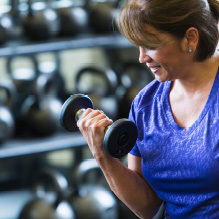
Planning to bust some moves at the gym as part of your 2019 goals? You’re not alone. As a tried-and-true strategy for losing weight, feeling more fit, or simply stepping up physical activity for overall wellness, working out is a perennially popular New Year’s resolution, and exercise classes can be a fun way to fit the bill.

The catch? Whether it’s cycling, kickboxing, step aerobics, dance, or another high-energy track, these classes often crank up the music to harmful levels — well above the danger threshold of 85 decibels — giving your ears a workout you didn’t bargain for. It can lead to instant or gradual hearing loss that could be permanent.

To protect your hearing while getting into the exercise groove, here are four things you can do:

Speak Up

Turning down the volume in the first place goes a long way toward reducing the risk of noise-induced hearing loss. If the music seems too loud, consider asking the instructor before class begins or during a cool-down break to lower the volume. Better yet, explore different gyms and fitness studios and their approach to noise management before choosing the facility for your needs.


Wear Earplugs

Keeping earplugs in your car or gym bag helps ensure you’ll have a pair on hand. They’re small enough to fit in your ear but effective enough to help soften the loudest sounds while still allowing you to hear. Inexpensive varieties are available at most pharmacies. Consider a customized set from your local audiologist to help ensure a secure fit during high-intensity exercise.


Keep Your Distance

The closer you are to the sound source, the bigger the burden on your ears, so try to pick a spot as far away from the speakers as possible. That can be harder to do in a smaller room — especially if speakers are along the wall and the ceiling, too — but every bit of space between you and the epicenter of the noise can make a difference.


Take a Break

Keeping your noise exposure to 15 minutes or less amid 100-plus decibel levels and no more than a minute amid 110-plus decibel levels — per public-health recommendations — might seem a tall order during your favorite aerobics session. Frequent or prolonged noise exposure, however, increases the chance of lifelong hearing damage, so consider leaving class for a water break or an alternate activity during the loudest moments.

We’re here to support you in your wellness goals. For custom hearing protection or more tips on keeping your hearing safe while working out, contact our caring team today!